
I employ three primary techniques and processes during the user-centered design process. These are an early focus on users and tasks, the empirical measurement of product usage, and iterative design.
An early focus on users and tasks
My design process always considers the user and their needs. Doing so systematically ensures high quality. I am passionate about this topic and return to it throughout my practice. It is at the heart of my approach and what motivates me to do user research. When conducting research, users must be consulted throughout all stages in the product development life cycle, especially at the beginning. In the early stages of the product development life cycle, there is the most significant opportunity to influence the design. That is because team members have made fewer assumptions.
Another way to think about this is when we involve our users initially, less repair work needs to occur to undo earlier mistakes. Sometimes I like to use the metaphor of a carpenter building a home. Can you imagine what it would be like if they did not have a blueprint? That is what it is like when designers and their colleagues do not have a clear set of user requirements. Now, extend that metaphor to consider how difficult it would be for a carpenter to remove walls or the home's foundation. The same is valid for software engineers. Deleting code due to incorrect specifications is a sure way to upset our engineering colleagues.
Empirical measurement of product usage
Another critical aspect of designing successful products is their measurement and evaluation. This observation is the second principle of the user-centered design process. Its goal is the creation of highly usable products that are easy to use and error-free. Usability tests are one means to accomplish this. Here users, or participants, as user researchers call them, are given a series of tasks to complete using a prototype. The user researcher measures their success in accomplishing those. There are different success measurements or metrics, while some common ones include the number of errors encountered during the usability test, task completion rates, and time to complete a task. The purpose of usability tests is to identify usability issues and correct them before the product is shipped.
Iterative design
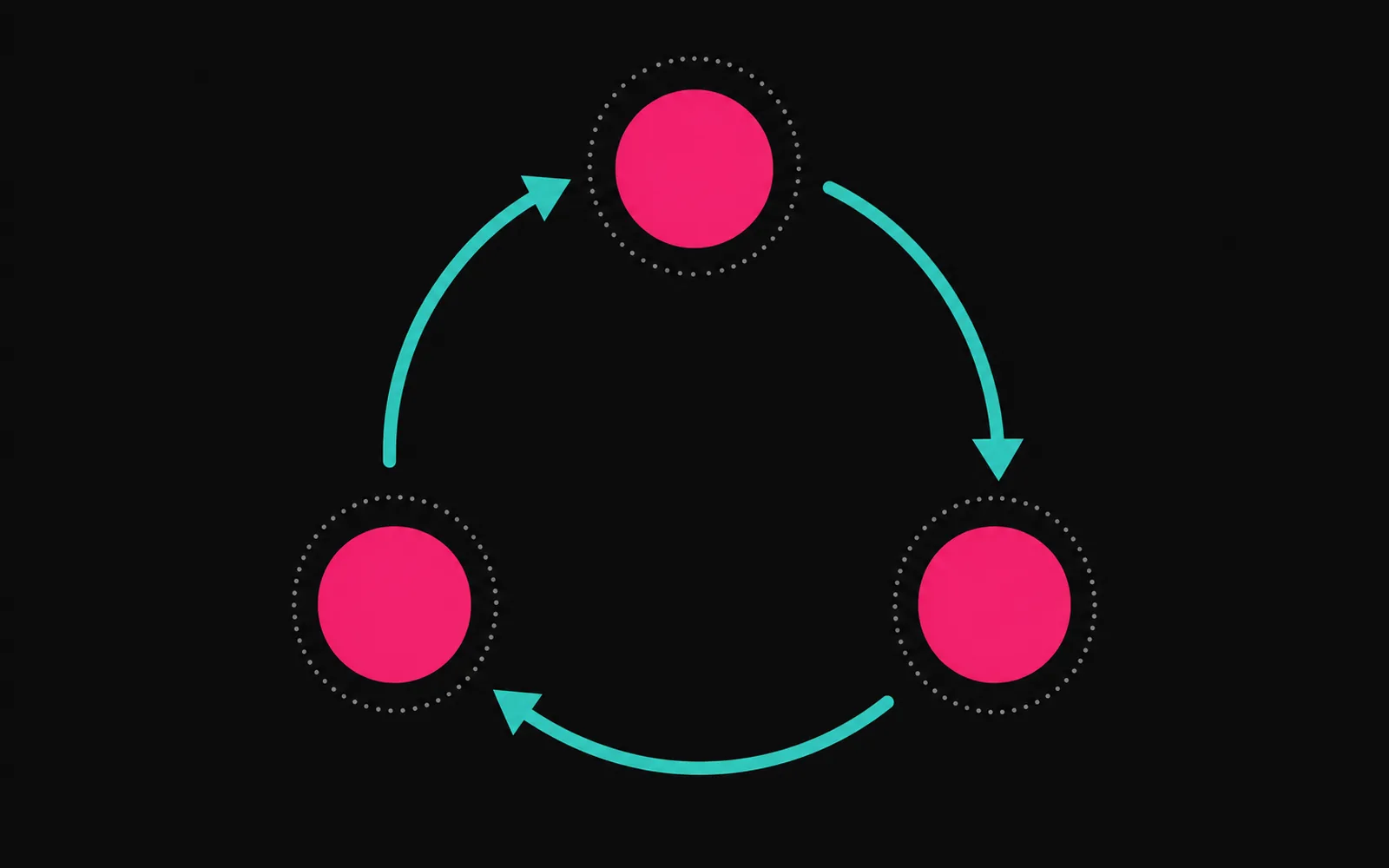
The third principle, iterative design, indicates that the best user experiences are ones designers and colleagues are continually improving. After we design a product, we modify and test the designs repeatedly. UX is a process of ongoing change and improvement that seeks to evolve the product continuously. This realization is a fundamentally different way of creating products than how teams previously worked. By accepting one's mistakes and being willing to improve them, we strengthen our work. In practice, this might entail beginning with a paper prototype and making improvements several times before moving on to an interactive prototype. A certain amount of humility is also required to accept one's mistakes and strive for perfection.