
Introduction
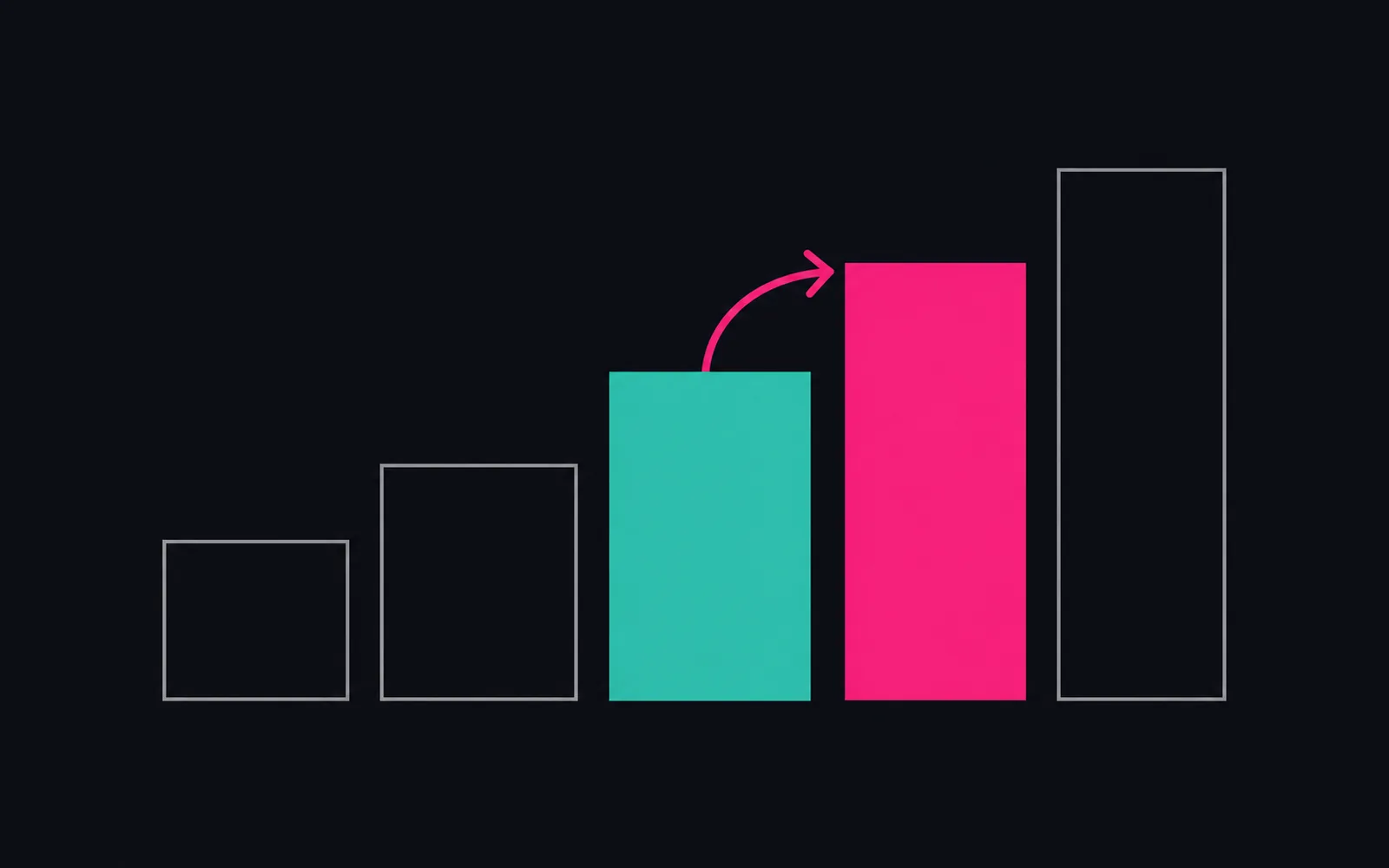
Emerging UX practices within large organizations face a variety of challenges. There is a lack of organizational adoption and questioning of the value of UX, considering it more of a nice-to-have than a must-have. This, in turn, leads to a lack of a sufficient number of UX professionals, both design and research, degrading the UX team's performance. Additionally, there is a lack of centralized and standardized UX processes, resources, and frameworks to rely upon. These process challenges not only decrease the quality but increase the time it takes to complete the work. To transition to stage four, structured UX maturity, it is helpful to understand the road ahead. At the next stage, design is integrated across the entire organization and often plays a strategic role, not just a tactical one. The UX headcount is high and beginning to be specialized, including design and research operations. UX processes are standardized, including cross-disciplinary collaboration, which occurs frequently and robustly. Design and research methods are well documented. Thanks to standardized tools, frameworks, and systems, UX quality and speed are achieved. User research occurs throughout the entire product lifecycle. Metrics for success are in place and starting to be used to ensure design quality.
To achieve success within stage three and facilitate moving towards stage four, it is important to focus first on the process. Creating a consistent approach to design and research activities will bring a much-needed set of consistent guidelines for the UX team. Several key opportunities exist here, including choosing design and research tools and software. Now is a great time to take advantage of the new breed of generative tools. In my experience, this is always a fun activity for the team to rally around. It will also facilitate adopting a design system and research repository, or improving the utilization of the existing ones.
Design systems
Design systems can be particularly effective when dealing with constraints such as short deadlines while fostering quality, and they are one of my preferred process improvements for stage three UX organizations. They share a common root: a systematic approach to design. Systems thinking steps back from a local solution to a problem to enact a larger, global policy for the challenge. One of the key challenges concerns consistency. The design team's job is to ensure a similar user interface across all user journeys. Another challenge teams face revolves around getting to market quickly. With so much software being created and designed, this approach allows us to iterate quickly. More so, creating custom, bespoke designs for every challenge does not scale. Design systems empower us to build products faster and more efficiently, two important software development principles.
We define common components, including colors, iconography, typography, widgets and controls, elements organized into larger patterns, layouts, spacing rules, and supporting atomic units. These become standardized, defined, and well documented to simplify their future use. They also allow for improved communication between designers, product managers, and software developers. Creating software is a team effort. When we utilize design systems, we have a common source of truth that improves our relations. What is more, development teams create reusable code components to implement elements in the design system. Thereby, their jobs are greatly simplified and expedited. Design and code have become operationalized.
Collaboration
Establishing a consistent and effective means of collaboration is essential. When I join an organization, I consider my job title chief design evangelist. Design helps our products function effectively to meet our customers' needs. At the core of this responsibility is user research. Speaking with our customers ensures product-market fit and business success. Design is a lot more than just visuals and graphics. Understanding our customers' needs increases engineering efficiency. If there is one thing developers hate to do, it is to rewrite code. Good design creates clear specifications and allows us to get to market faster with less rework.
Good design evangelism requires an explanation of our craft and how we work. Designers must explain their processes, skills, and outcomes to their colleagues. I open-source all research activities. Invitations are sent out; everyone is welcome to observe as we interview our customers. Another good idea is to schedule regular office hours. This is when our product and development colleagues can drop in, ask questions, and share their perspectives on design. Listening and sharing build connections. In addition to inviting our colleagues to observe our research, we consider them partners in defining the nature of our research. Research agendas, including the topics we cover, are created in close collaboration during these meetings. Another point to cover during these stakeholder meetings is establishing the UX vision for our product. What are our goals, and how do we measure our success? Establishing UX metrics will demonstrate our success in meeting shared goals.
Conclusion
One can evolve one's UX maturity by taking concrete steps to improve the UX process. Providing professional development opportunities to one's UX staff goes a long way. Formalizing common design principles and research methodologies helps to unify the team. Document and share standardized processes via design systems and research repositories. Effective cross-team collaboration ensures our role within the larger organization is well received. Establishing a regular cadence of UX meetings can also be helpful. Selecting a set of design metrics and KPIs allows us to remain accountable and demonstrate our value to the team. By starting small and relying on pilot projects with these pragmatic steps, one can steadily and consistently increase design quality, leveling up one's design organization.