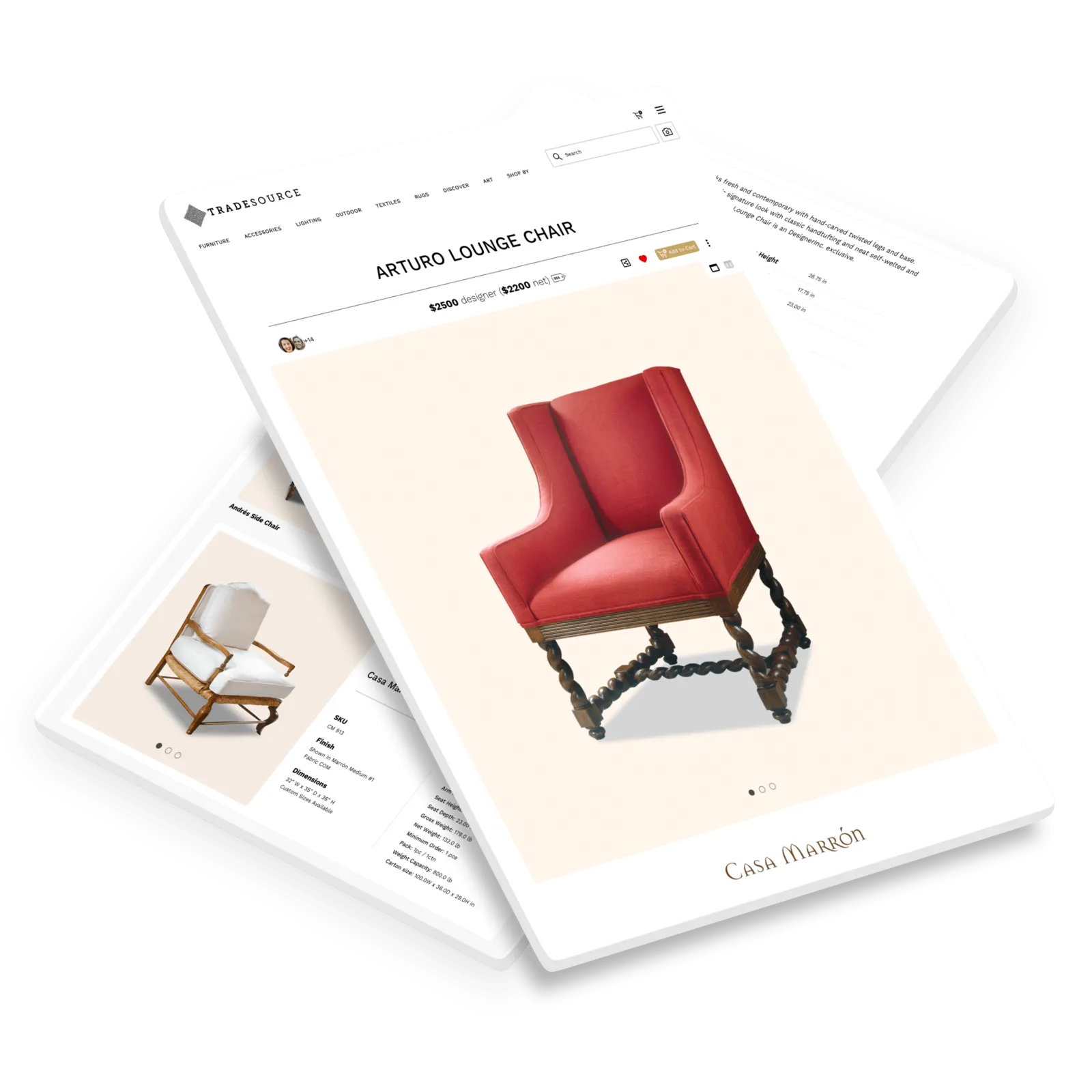
The problem
Furniture procurement for interior designers still runs on paper catalogs and a scatter of disconnected tools. Vendors go out of business without warning, and one designer I talked to during research had placed an order with a manufacturer that folded before delivery, losing the money outright. Sourcing, proposals, and client communication all lived in different places, with no shared system connecting a designer, a manufacturer, and the client paying for both.
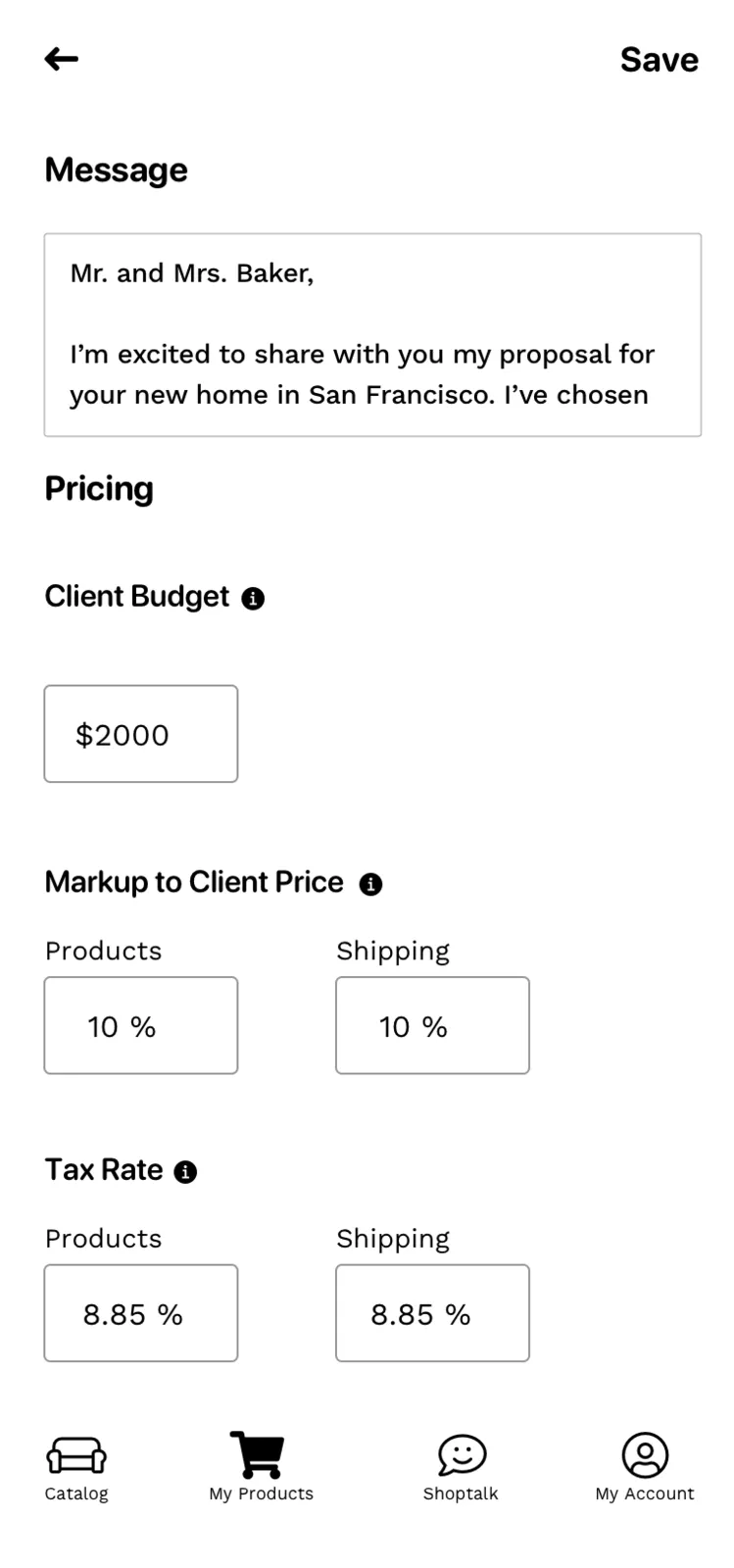
The platform had to hold three constituencies at once: designers sourcing and proposing, manufacturers managing a catalog, and clients approving what they'd pay trade prices for without ever seeing the discount itself. That last constraint runs through nearly every decision in this case. Whatever I built for designers and manufacturers had to keep a wall between them and the client's view.
Research
I ran generative research remotely at sprint cadence: thirty- to ninety-minute sessions, recruited through my own network of people in the trade, moderating and taking notes myself. Qualitative interviews were paired with Likert-scale questions scored by median rather than mean, so a handful of strong reactions couldn't skew the read. Before designing anything, I also audited the tools designers were already using against a custom twenty-five-criteria scorecard I had built years earlier at Saatchi & Saatchi, scored from minus two to plus two. It failed hardest on completeness and navigation: no iPhone or Android app, no way to message a manufacturer directly, and search that returned nothing useful.
- Generative interviews: 30 to 90 minutes, recruited through my own network, moderator and notetaker the same person.
- A heuristic audit: 25 criteria, scored minus two to plus two, applied to the tools designers already used.
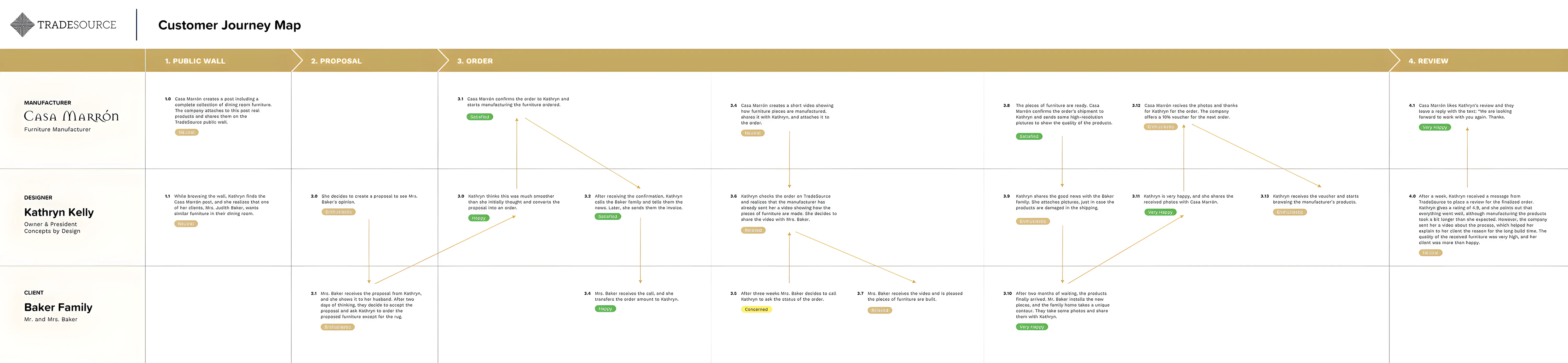
- Journey mapping: product discovery to delivery, across designer, client, and manufacturer lanes.
- Two personas, a commercial and a residential interior designer, anchoring every later decision.
Journey map
Personas

Kathryn Kelly, 35
Commercial Interior Designer
Principal Interior Designer, Design + Planning, Inc. · Los Angeles, CA
Getting the furniture right is essential — it's the ingredients that make the dish.
Sources from showrooms, sample books, and the web. The challenge: one consolidated platform that pulls every source together so she can buy directly from the manufacturer.
Needs
- High-quality commercial furniture
- Communicate directly with suppliers
- A mobile app to check projects on the go
- Inspiration & the latest trends
Challenges
- Visiting showrooms in person eats time
- Sourcebooks go out of date fast
Tasks
- Find exceptional furniture on budget
- Compare pieces, send quotes & proposals
- Collaborate and re-order past furniture
Specialties
- Commercial space design
- Hotels, restaurants & resorts
- New builds / renovations
Education: BFA, Parsons School of Design
Devices: Dell Inspiron · Google Pixel

Kristi Bennett, 44
Residential Interior Designer
Owner & President, Concepts by Design · Charleston, SC
If there was one platform where I could do it all, that would be amazing.
Runs a busy studio, always on the go — sourcing, ordering, messaging clients, and posting to social. Lives in Houzz, Wayfair, and Instagram, and wants one platform to replace them all.
Needs
- One app that simplifies her work
- Manage the full furniture lifecycle
- Self-promote her recent work
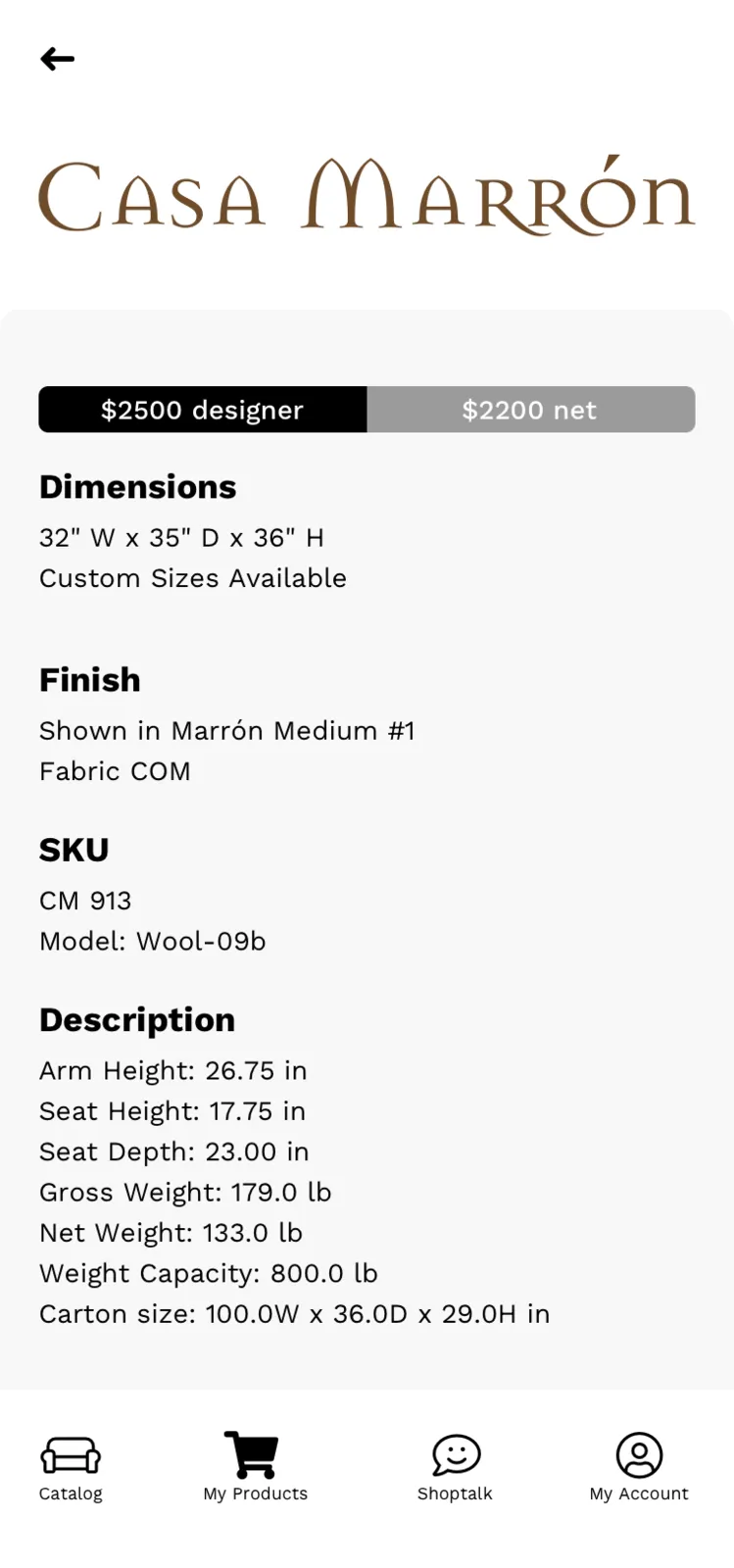
- Trade pricing in proposals
Challenges
- Never enough time in the day
- Juggling multiple websites & apps
- Clients expect status updates
Tasks
- Find & order furniture
- Send proposals to clients
- Find new business
Specialties
- Residential interiors
- Home furnishing
Education: BFA, Savannah College of Art & Design
Devices: MacBook Pro · iPhone Pro
In their own voice
- 4/5
"One-stop shopping." — The unified platform
- 5/5
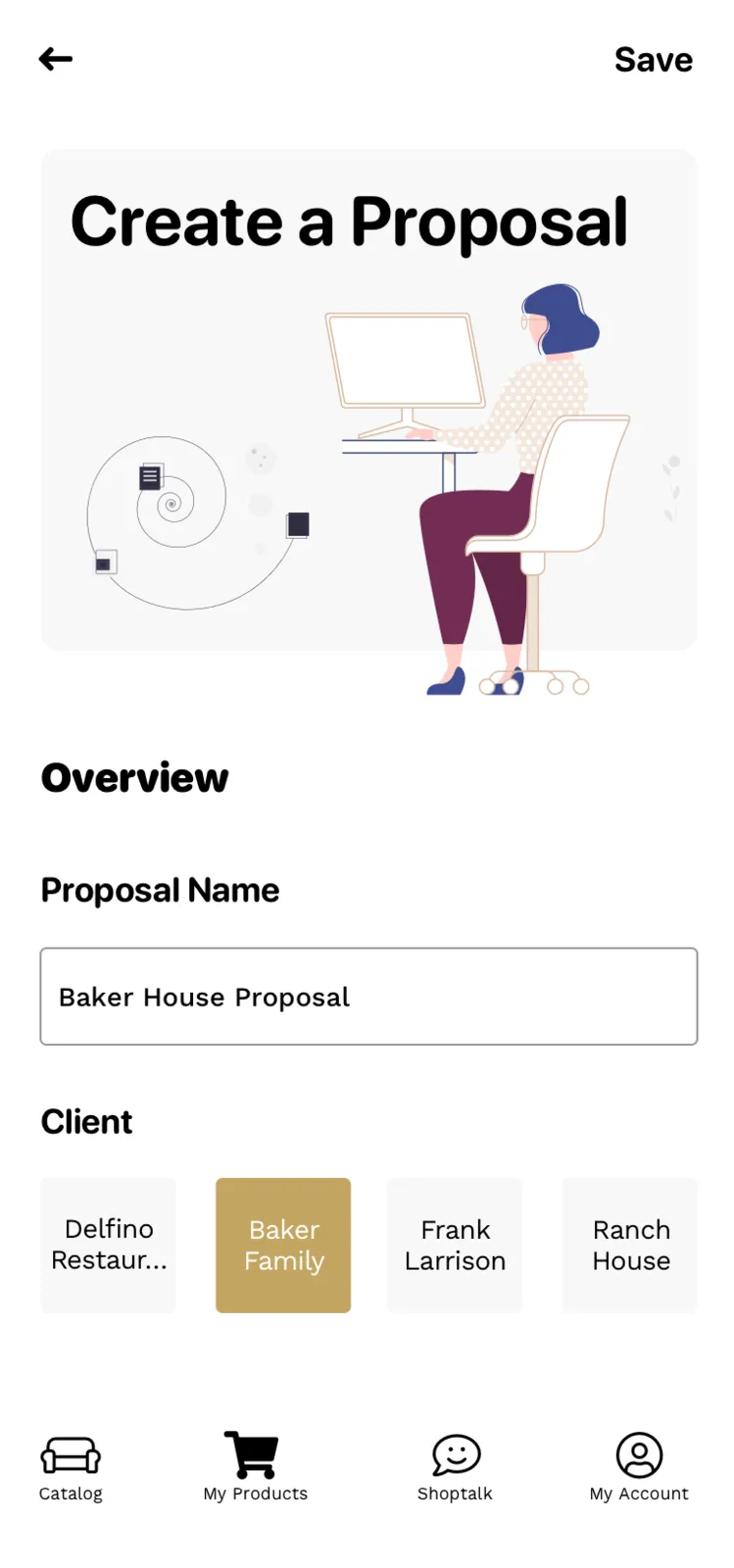
"Very, very nice." — The proposal flow
- 5/5
"Fabulous." — The project status page
- 3/5
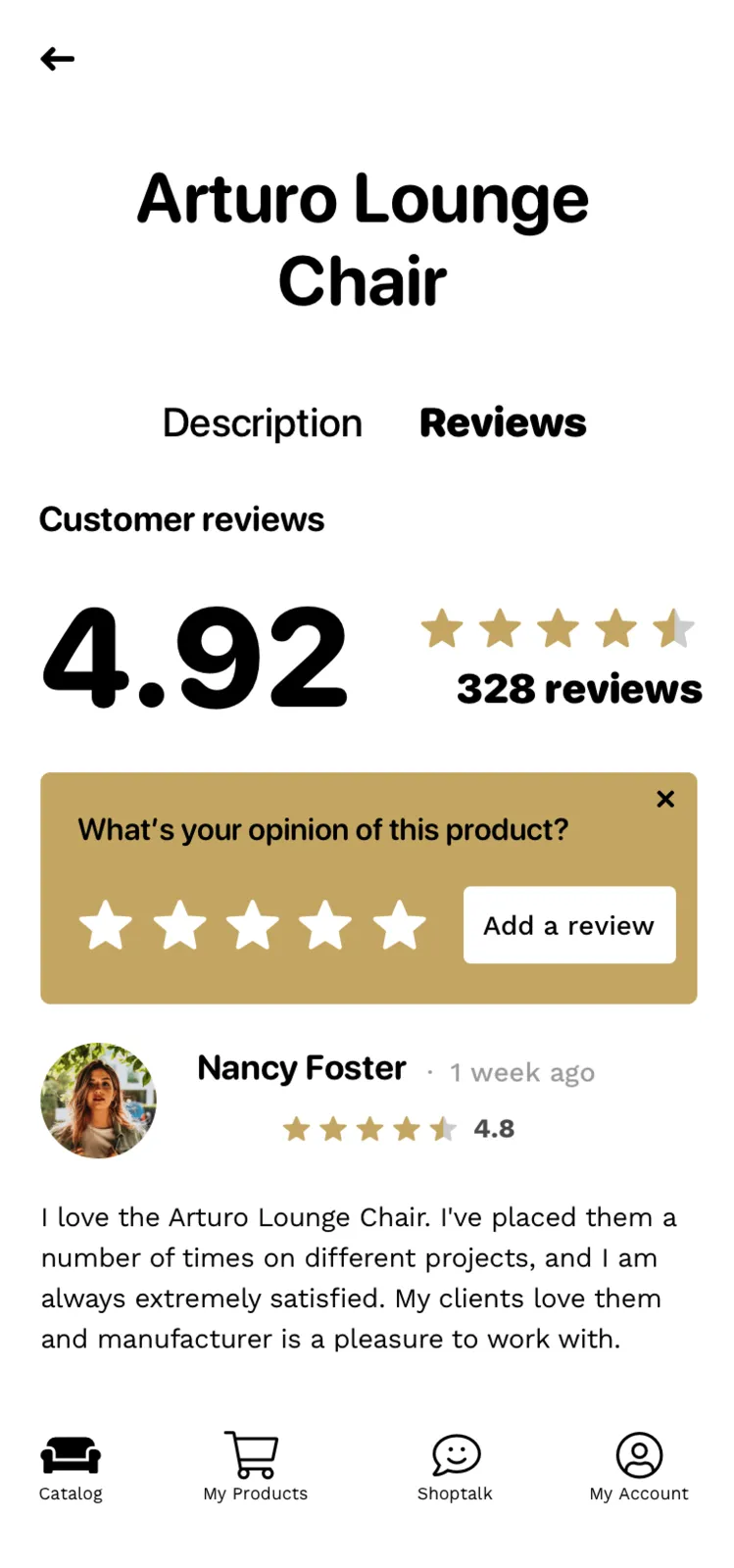
"Helpful." — Product reviews
- 5/5
"Very, very valuable." — Manufacturer updates
Design decisions
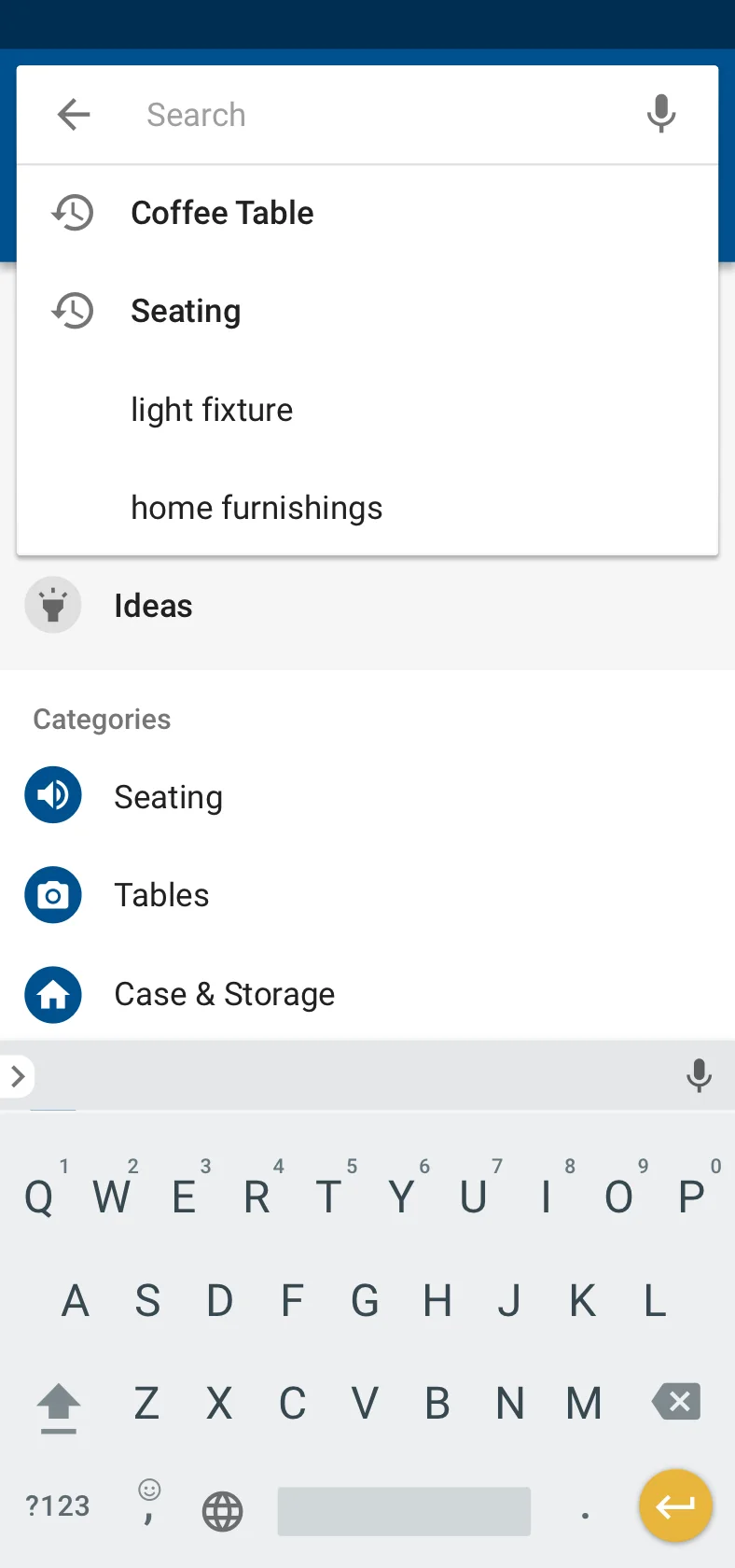
Four findings came out of that research, and each one became a real constraint on the design, not just a slide. Vendors failing mid-order meant the platform needed proposal and order history that outlived any single relationship. Fragmented catalogs meant search had to work across manufacturers, not within just one. And the strongest finding, that designers wanted to share what they knew while keeping clients away from trade pricing, became ShopTalk.
One system
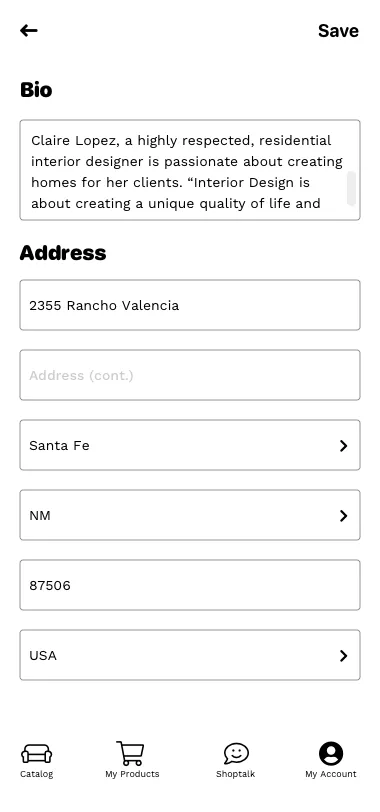
A single design system across four surfaces
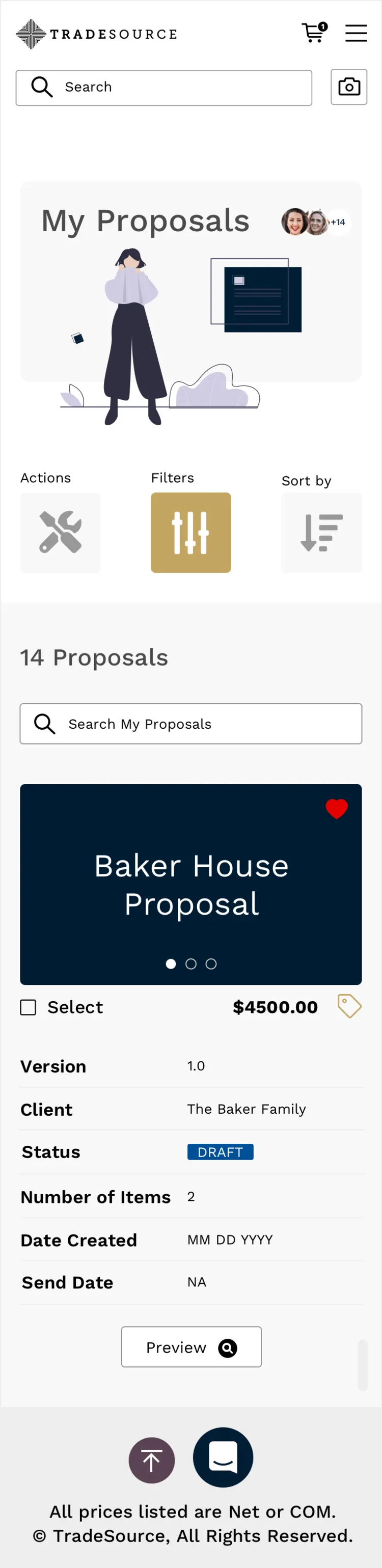
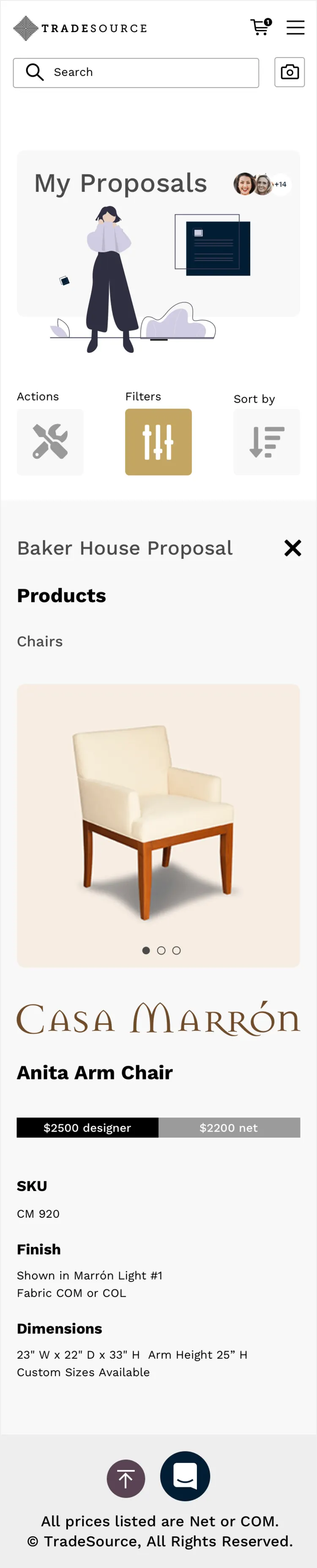
Desktop web, mobile web, and native iOS and Android all draw from one component library and one color and type system, so a designer moving between a laptop and a phone never relearns the interface.
The innovation
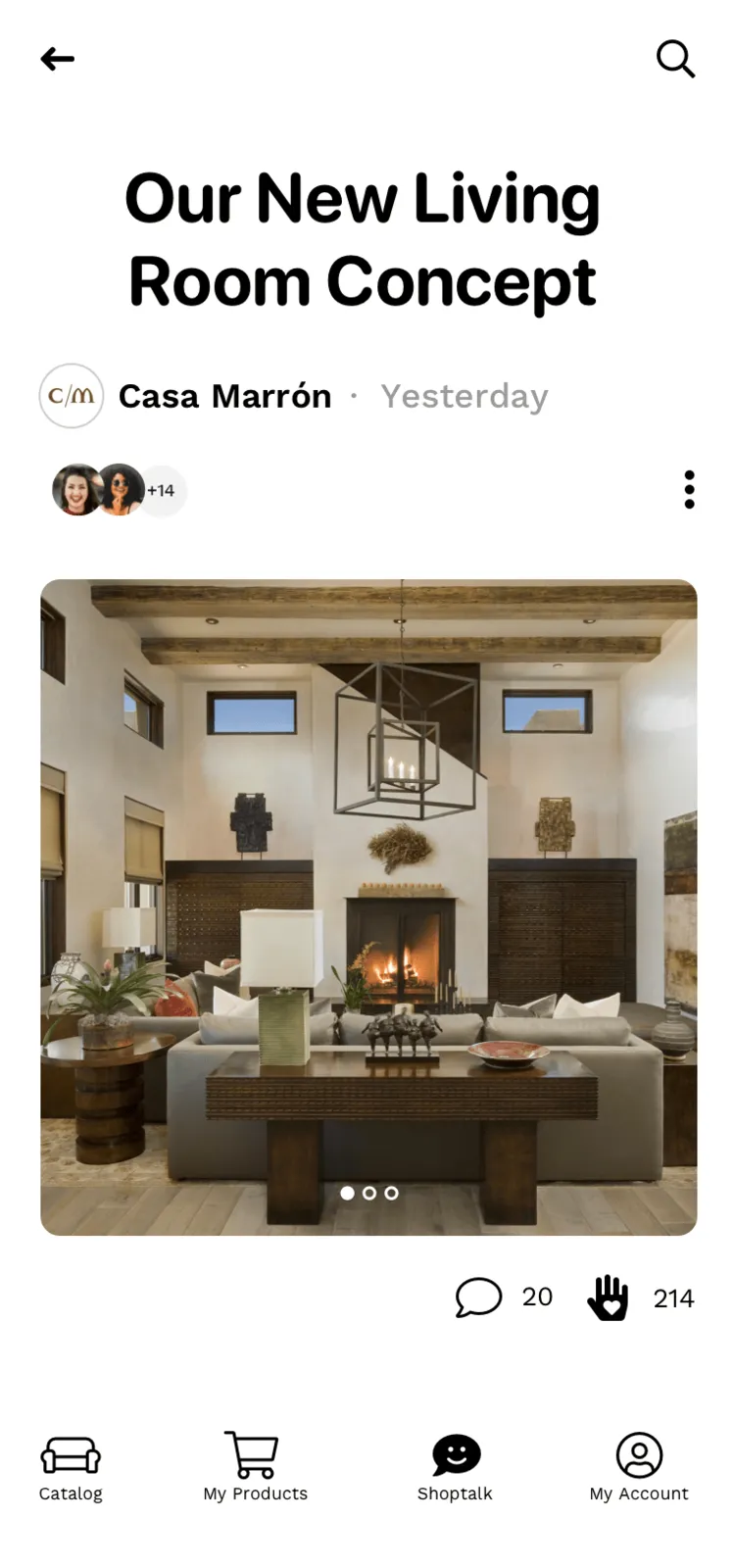
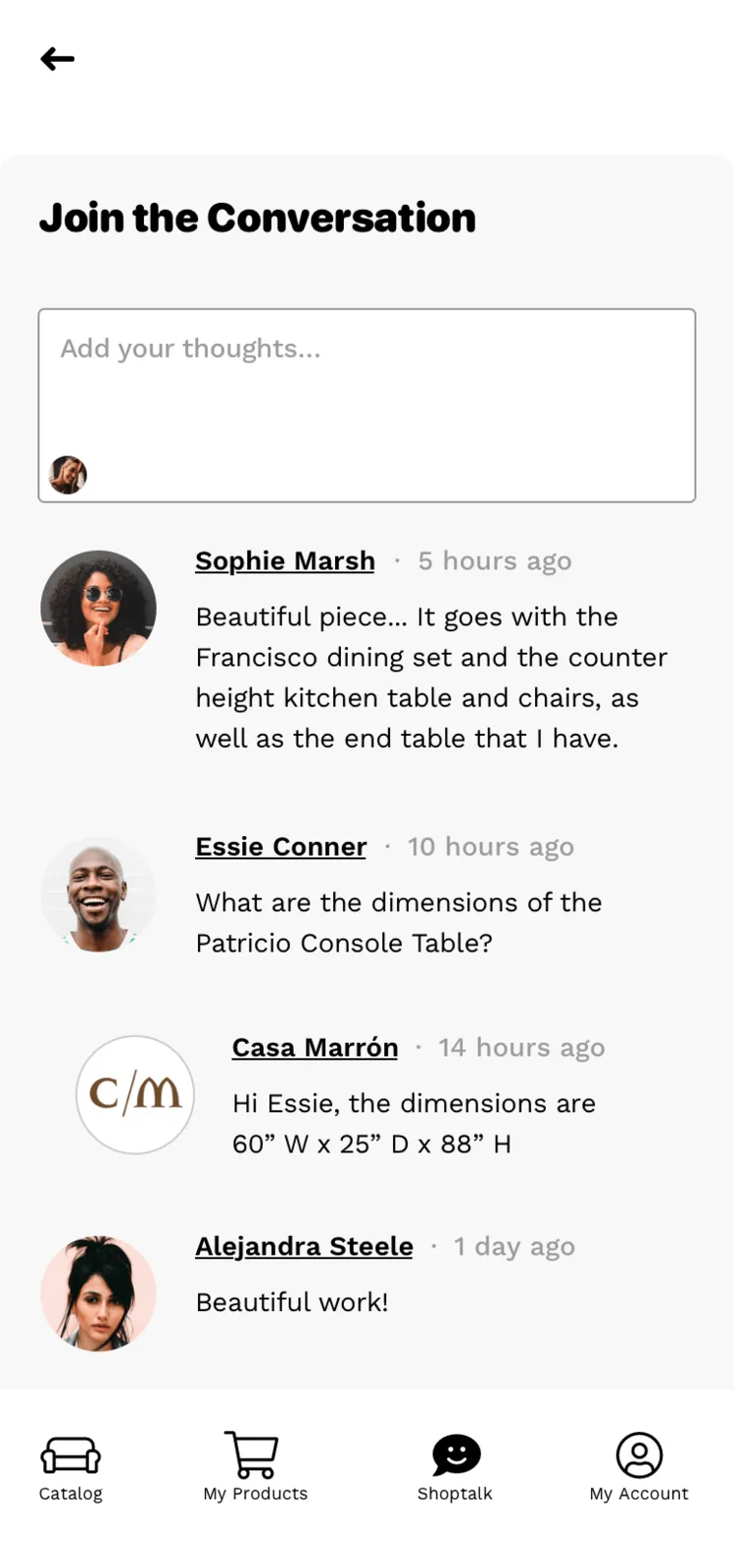
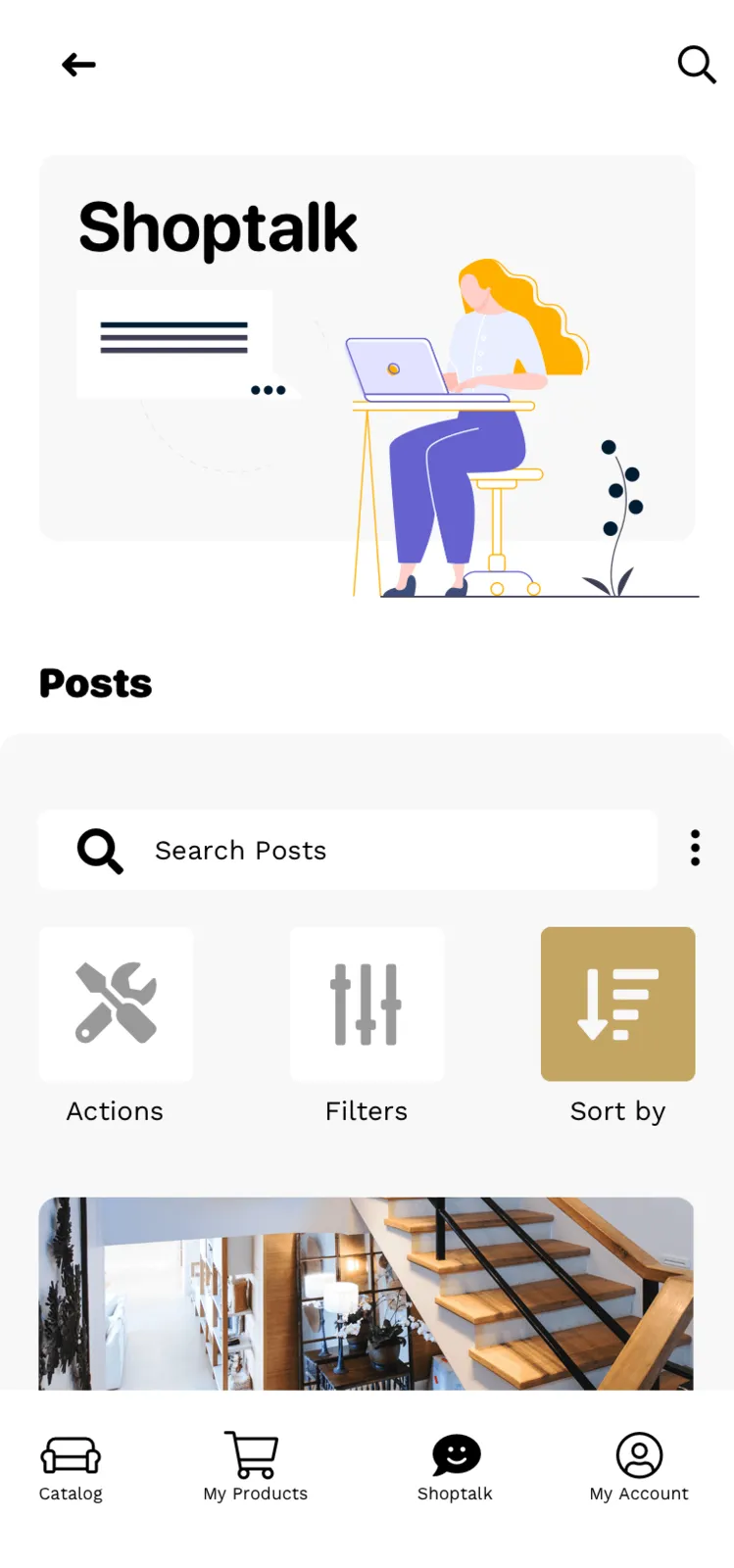
ShopTalk: a social layer with a wall built in
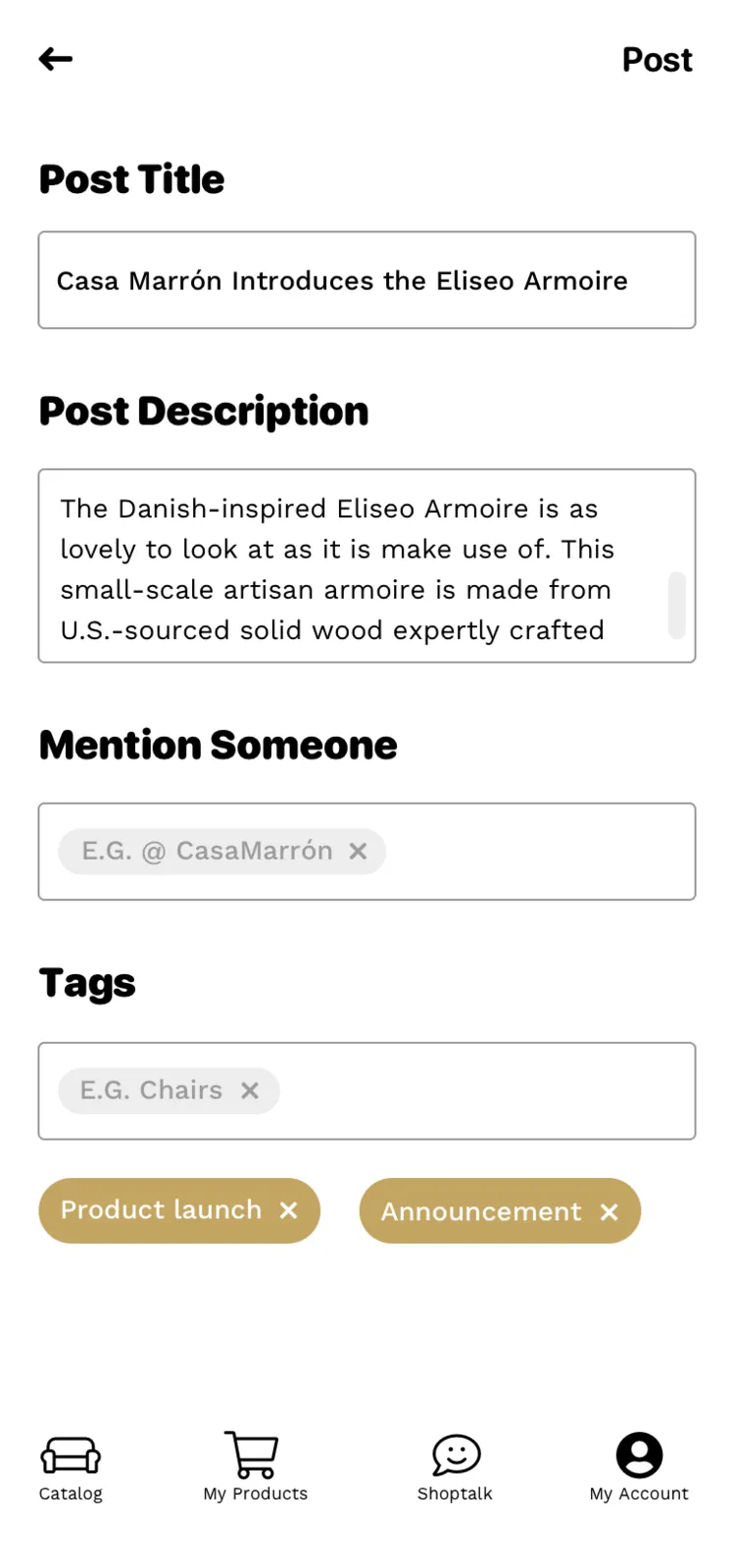
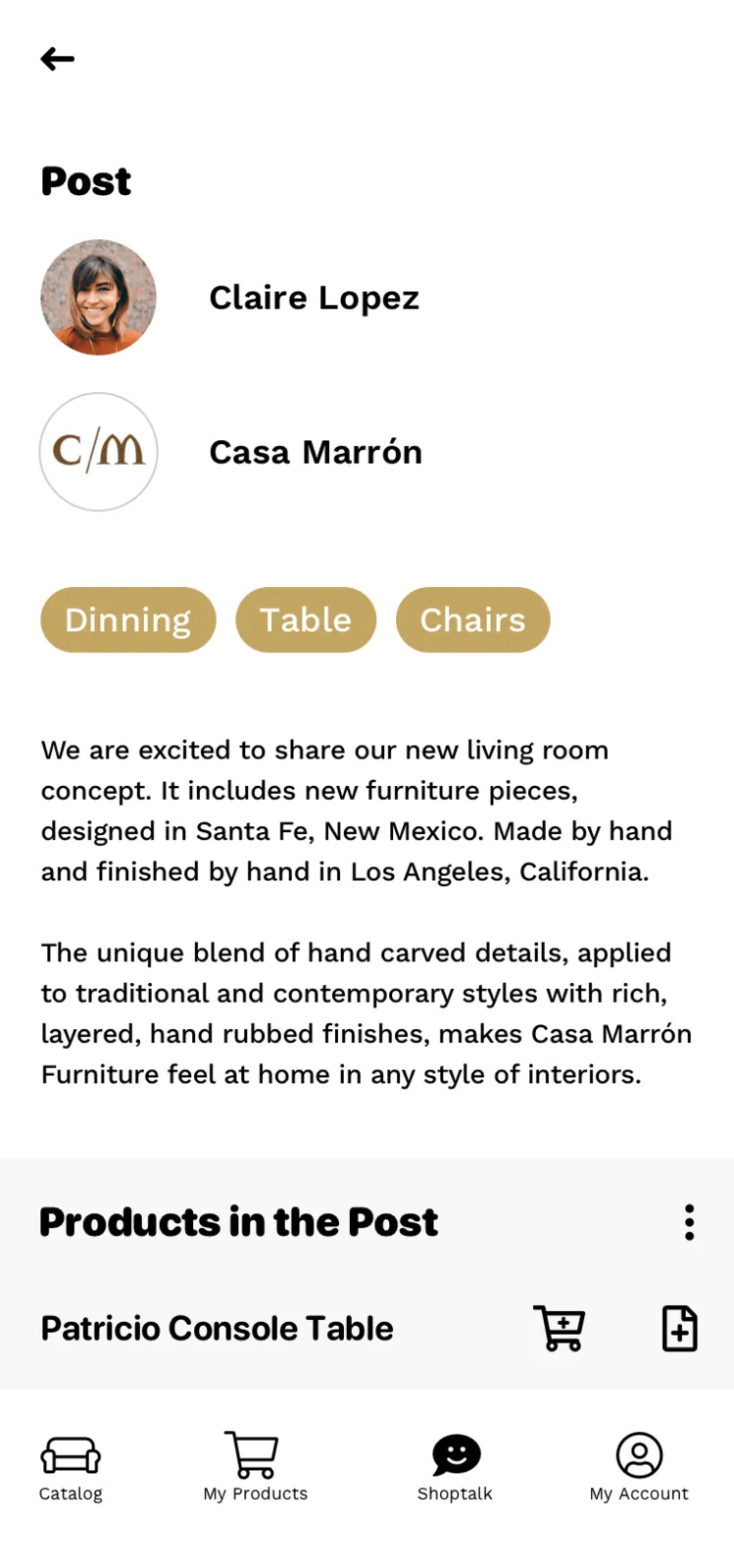
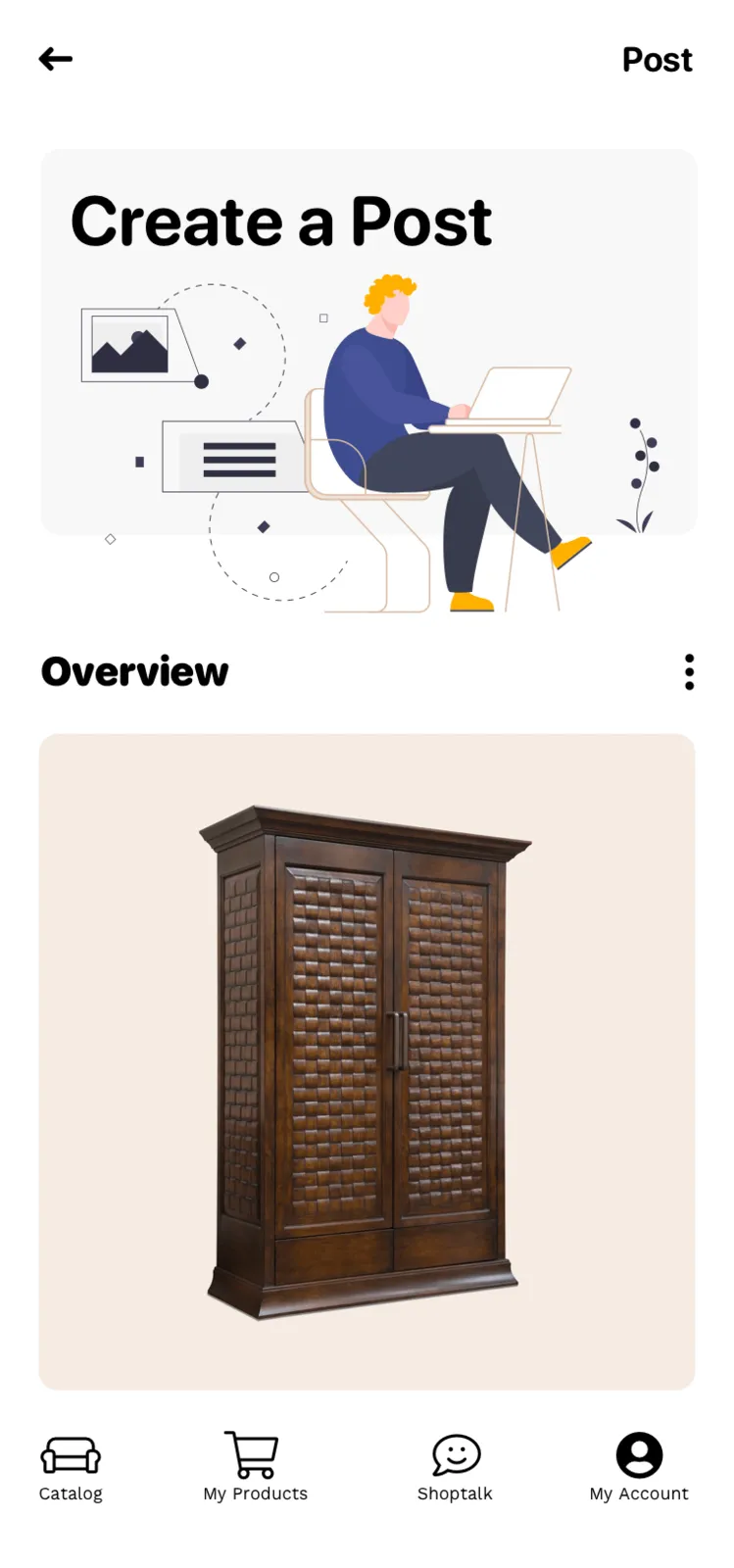
Manufacturers post catalog updates and designers post product reviews, both new to B2B furniture, but a designer controls exactly what a client sees, and trade pricing never crosses that line.
Workflow
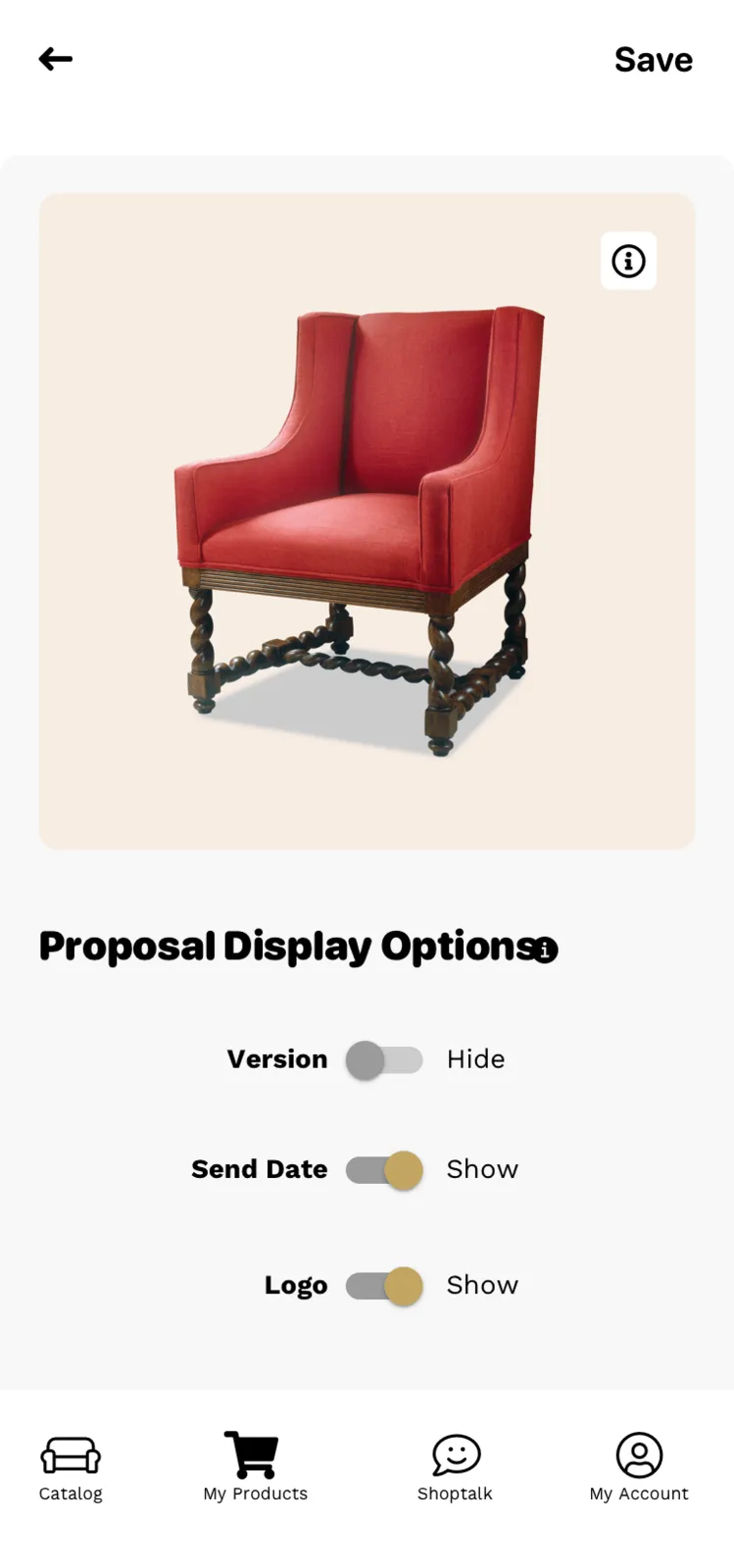
Proposals built into the platform, not attached to it
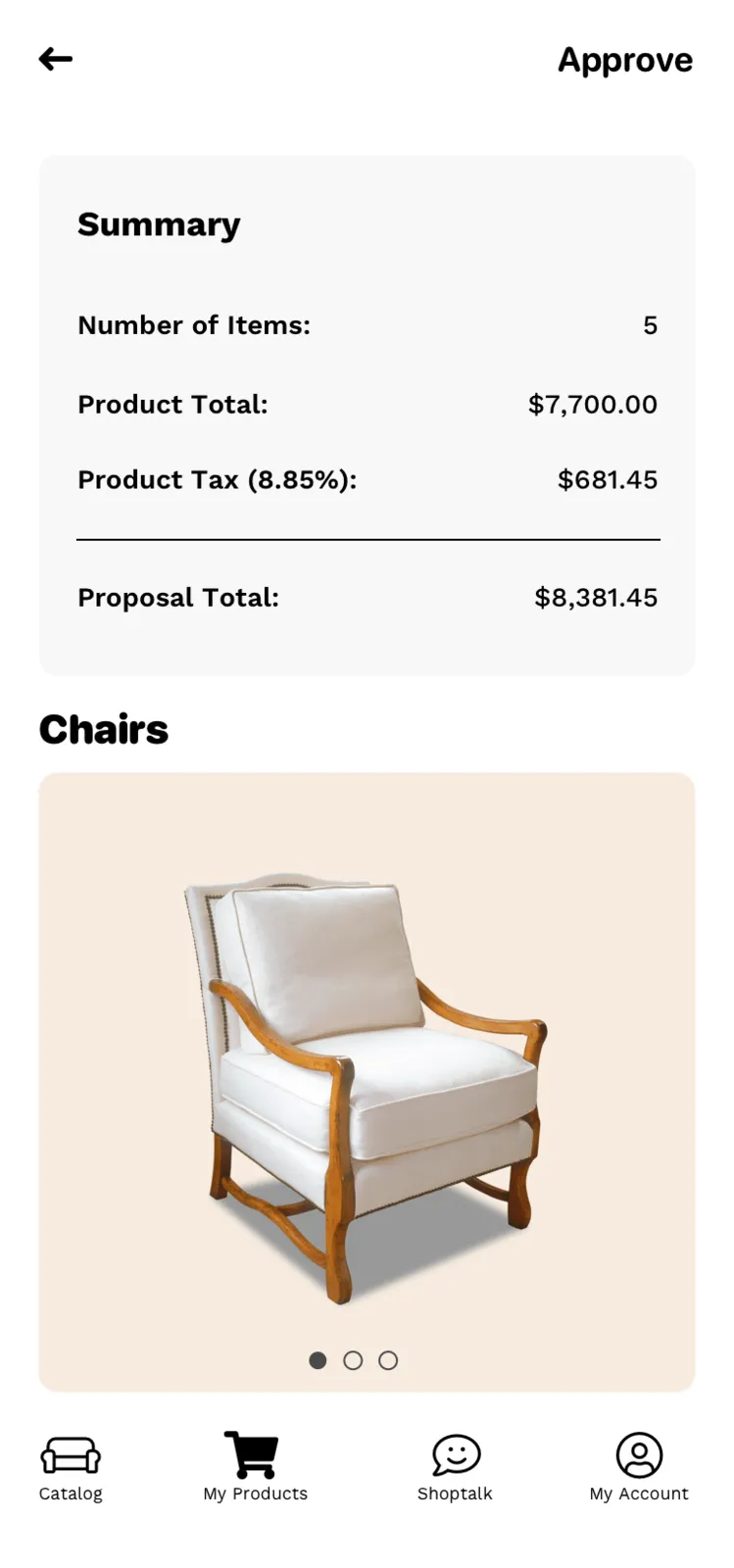
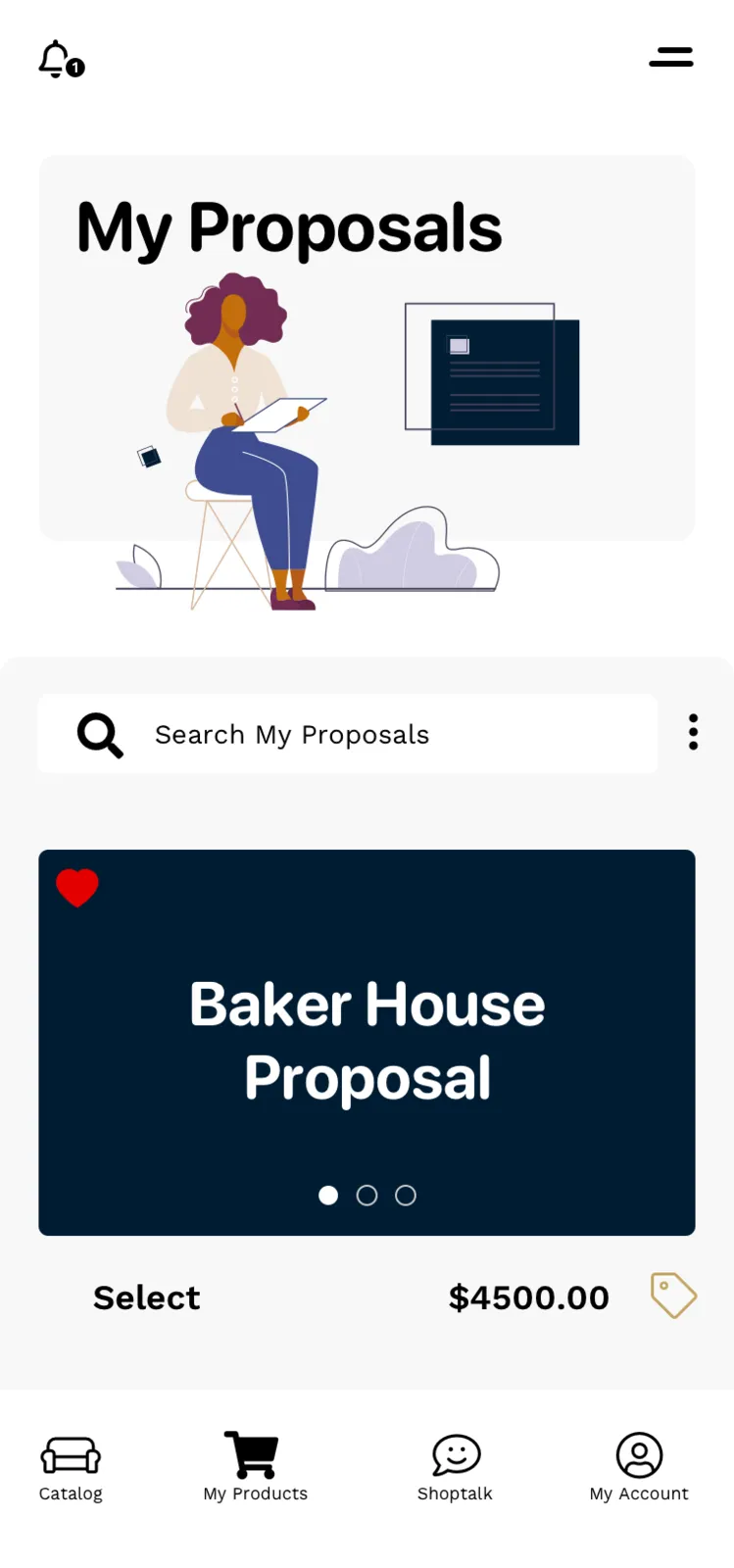
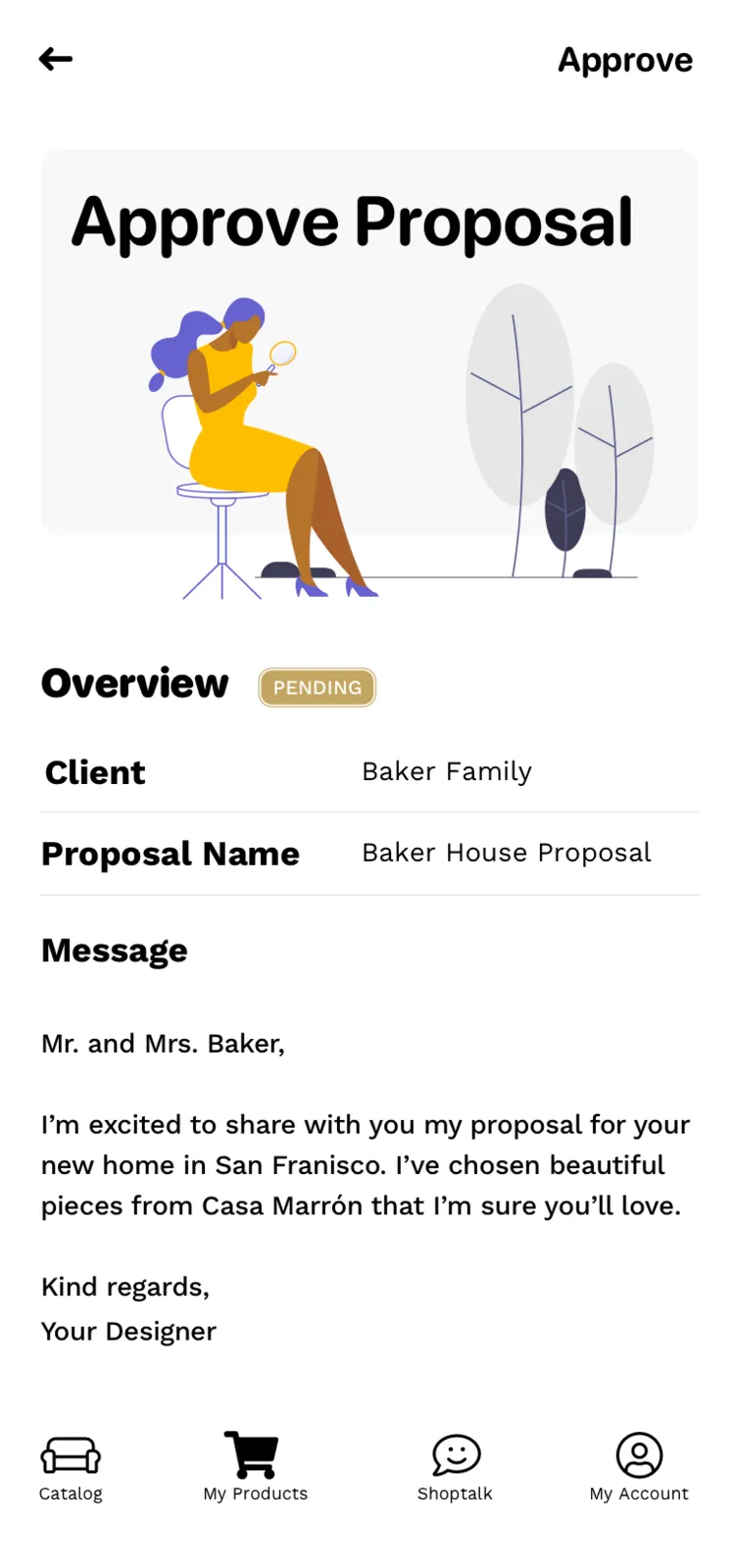
Building, sending, and approving a proposal happens inside the same tool as sourcing, so a designer never has to hand off to email or a PDF to move a client toward a decision.
Prioritization
The heuristic audit set the redesign's order
Aesthetics and completeness scored worst against the incumbent tools, so the redesign started with information architecture and a native app, not with visual polish.
Desktop web
Fifteen desktop pages, product detail through profile. Open any one full size.
Mobile web














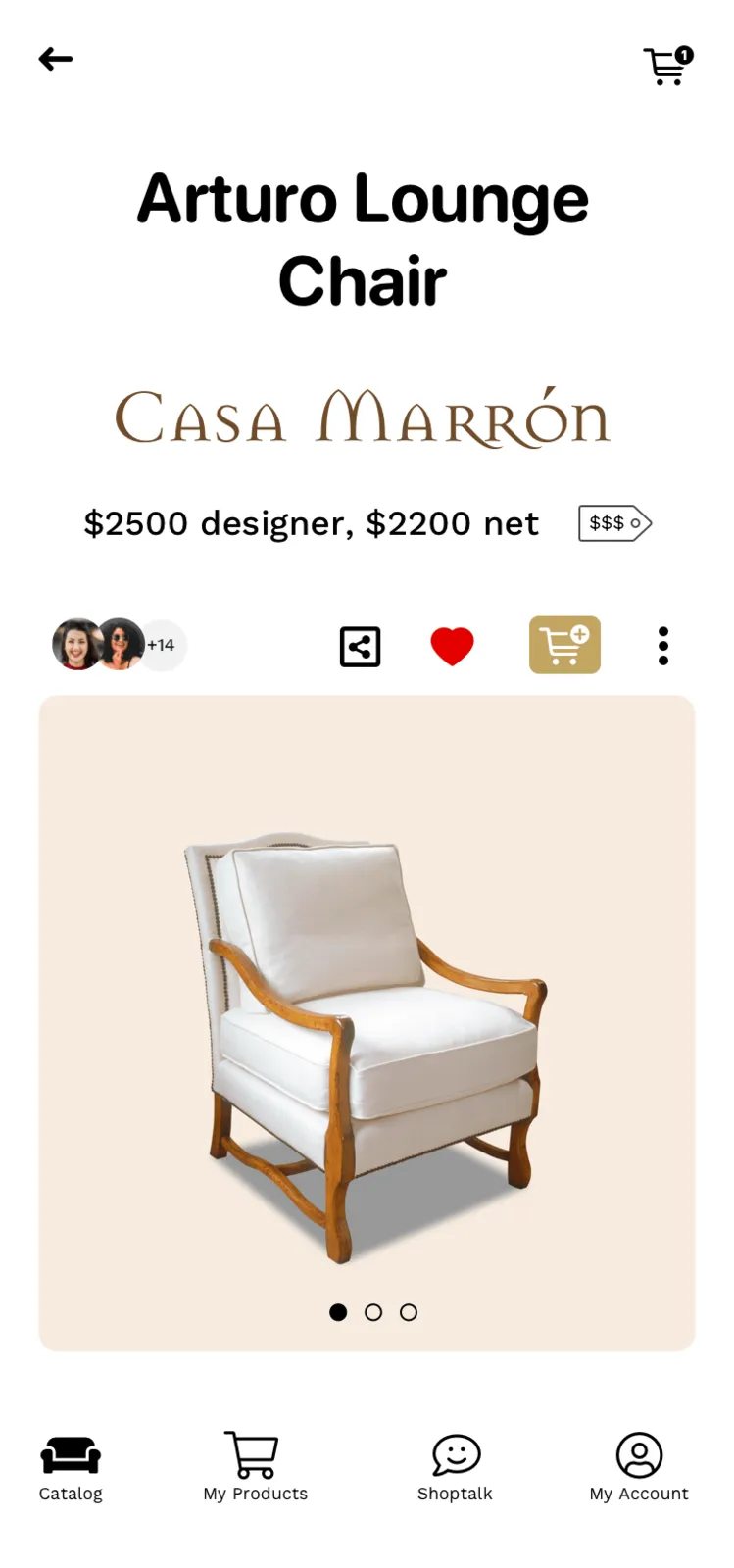
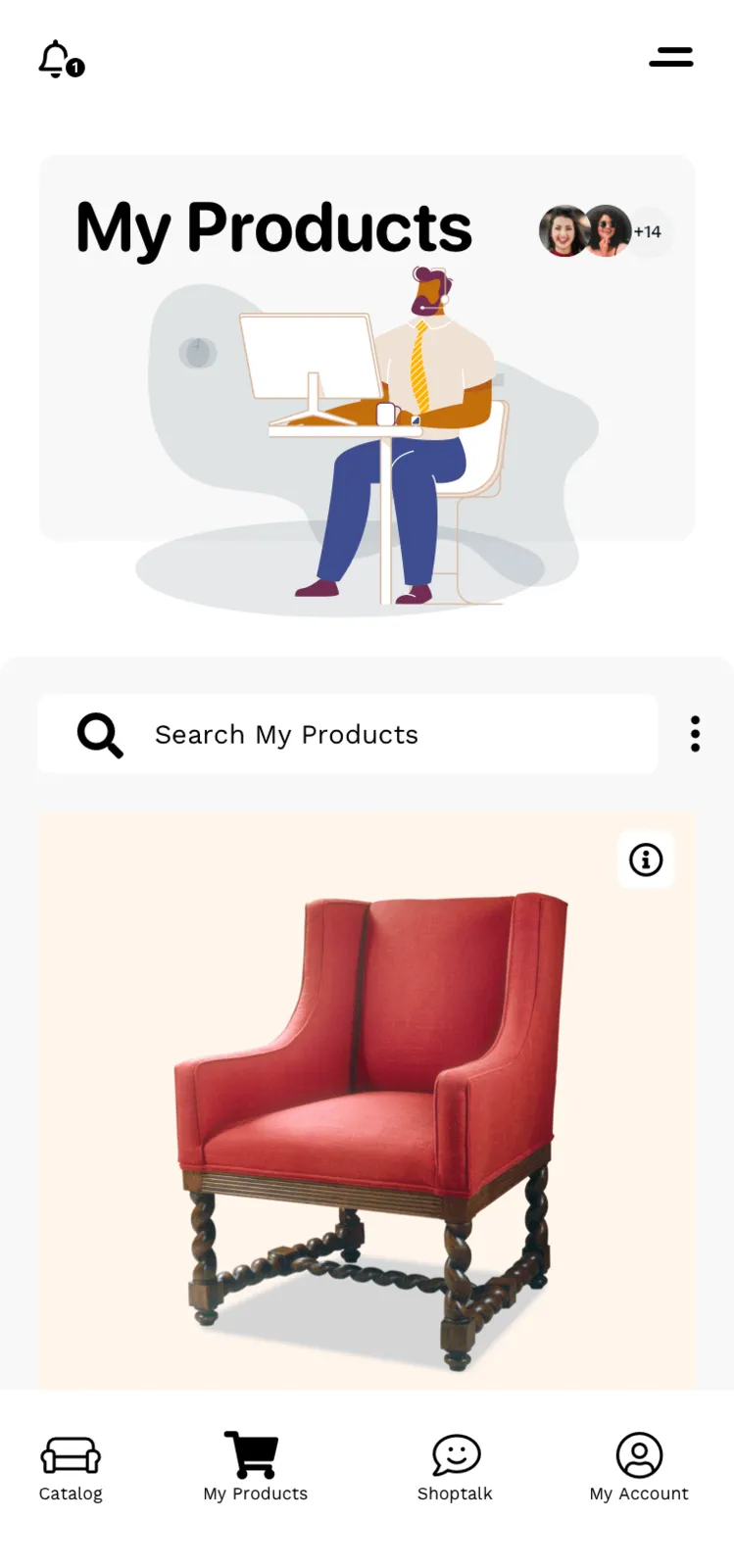
Native apps
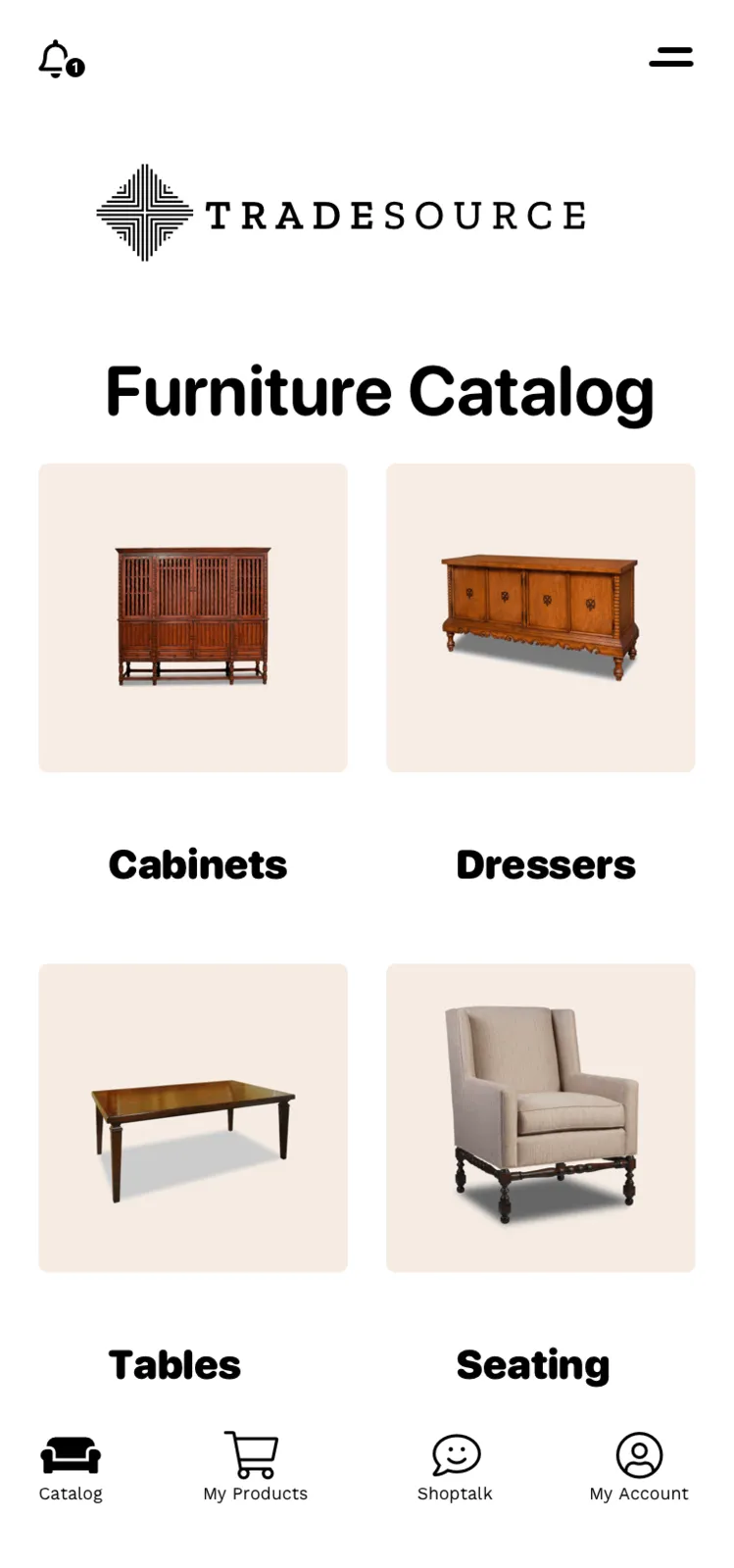

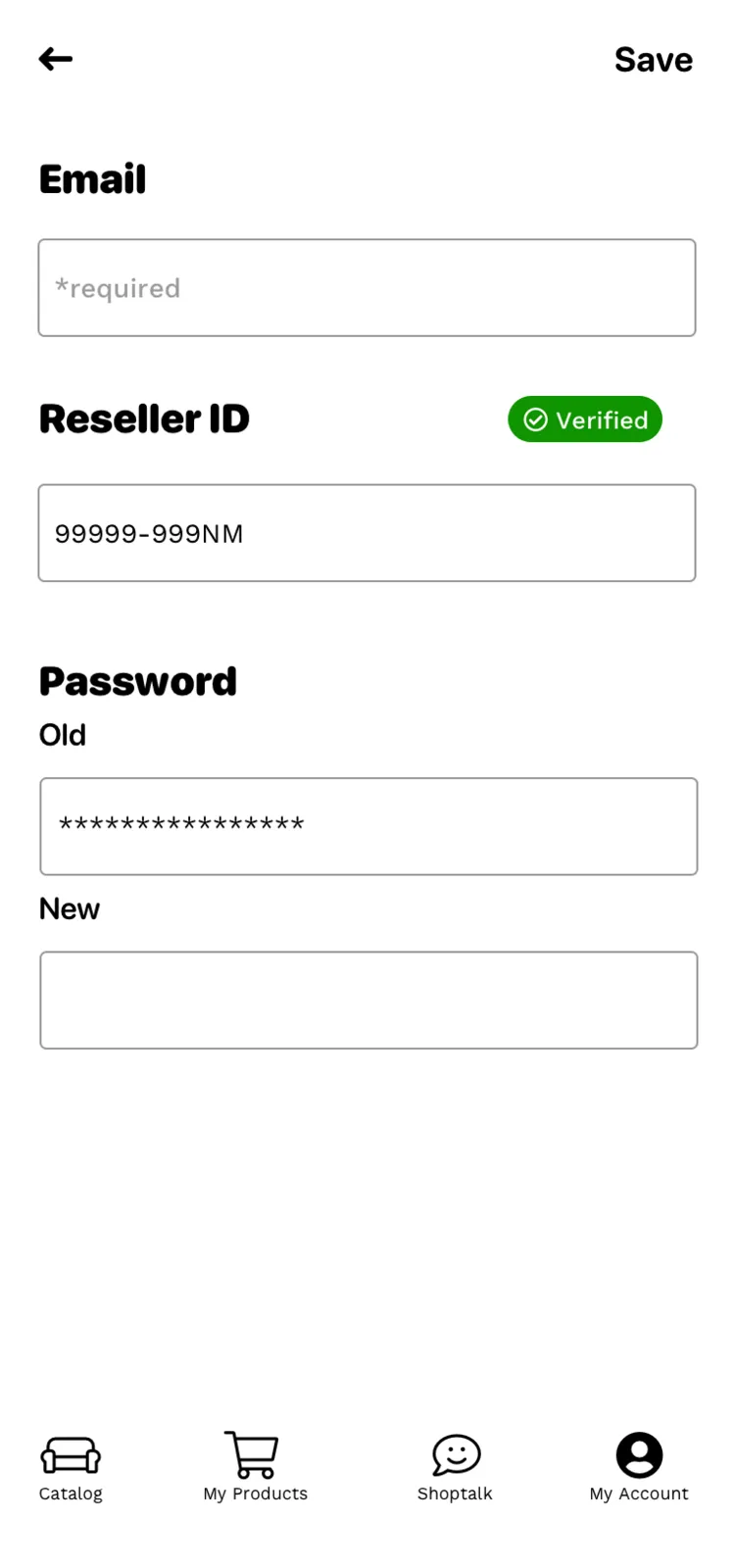
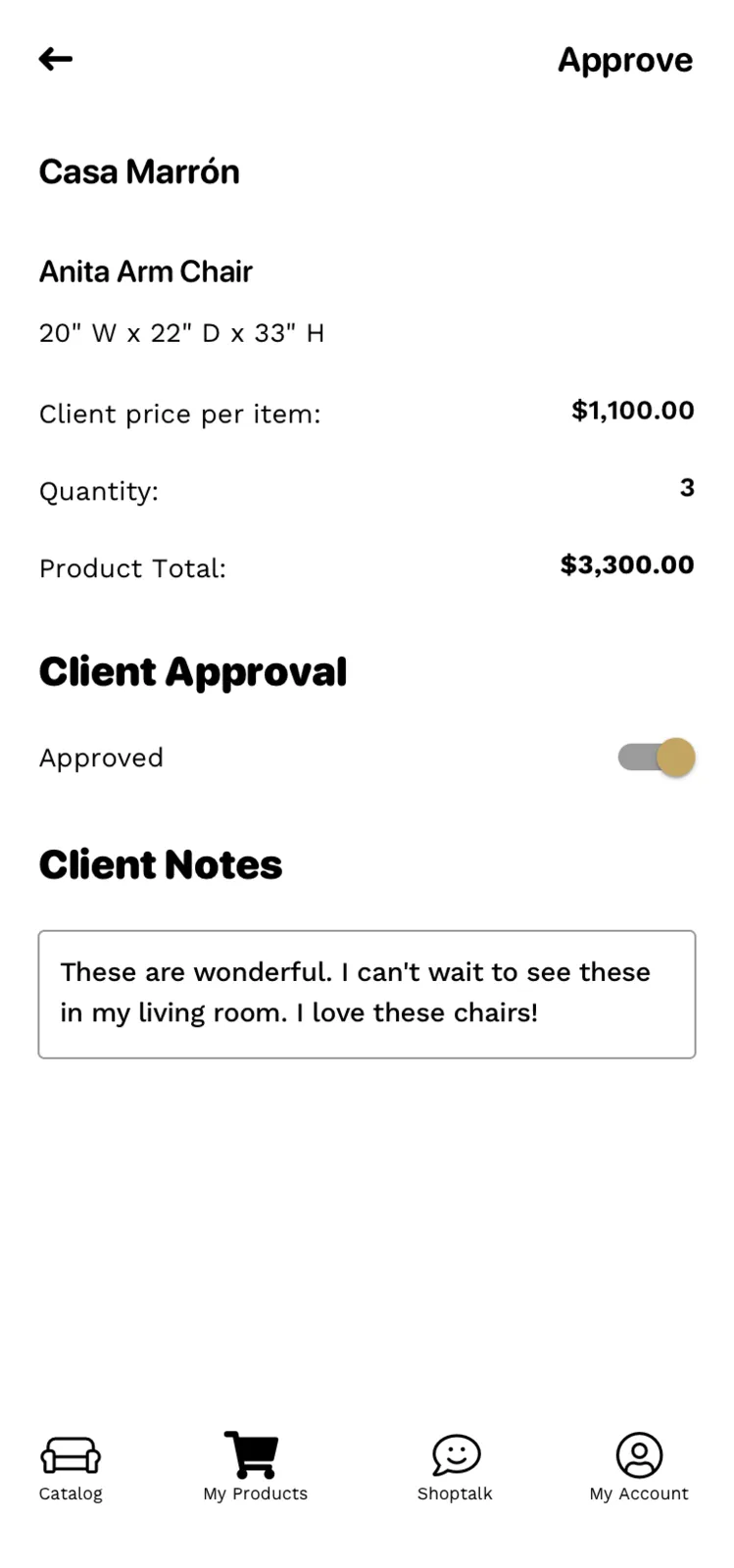
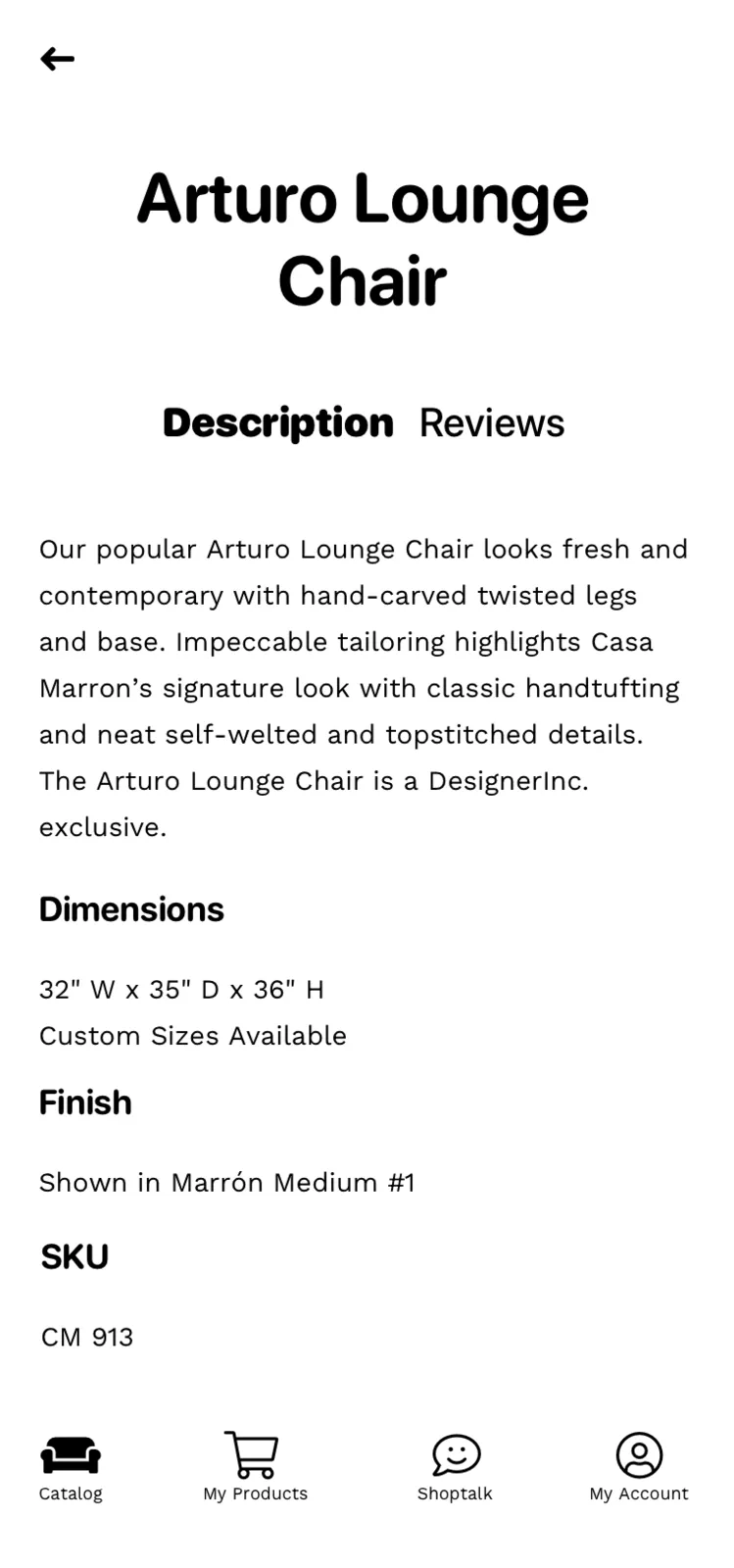
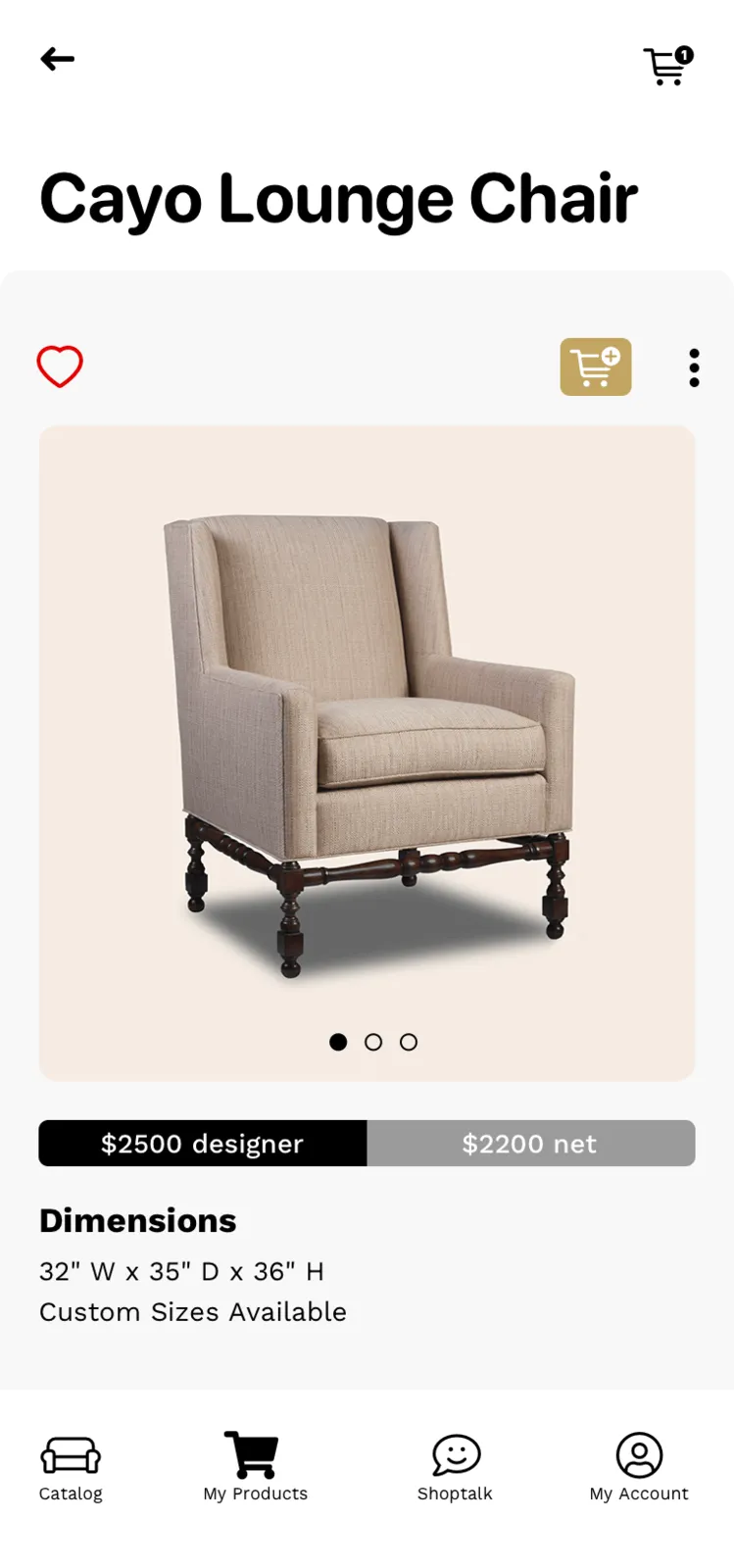
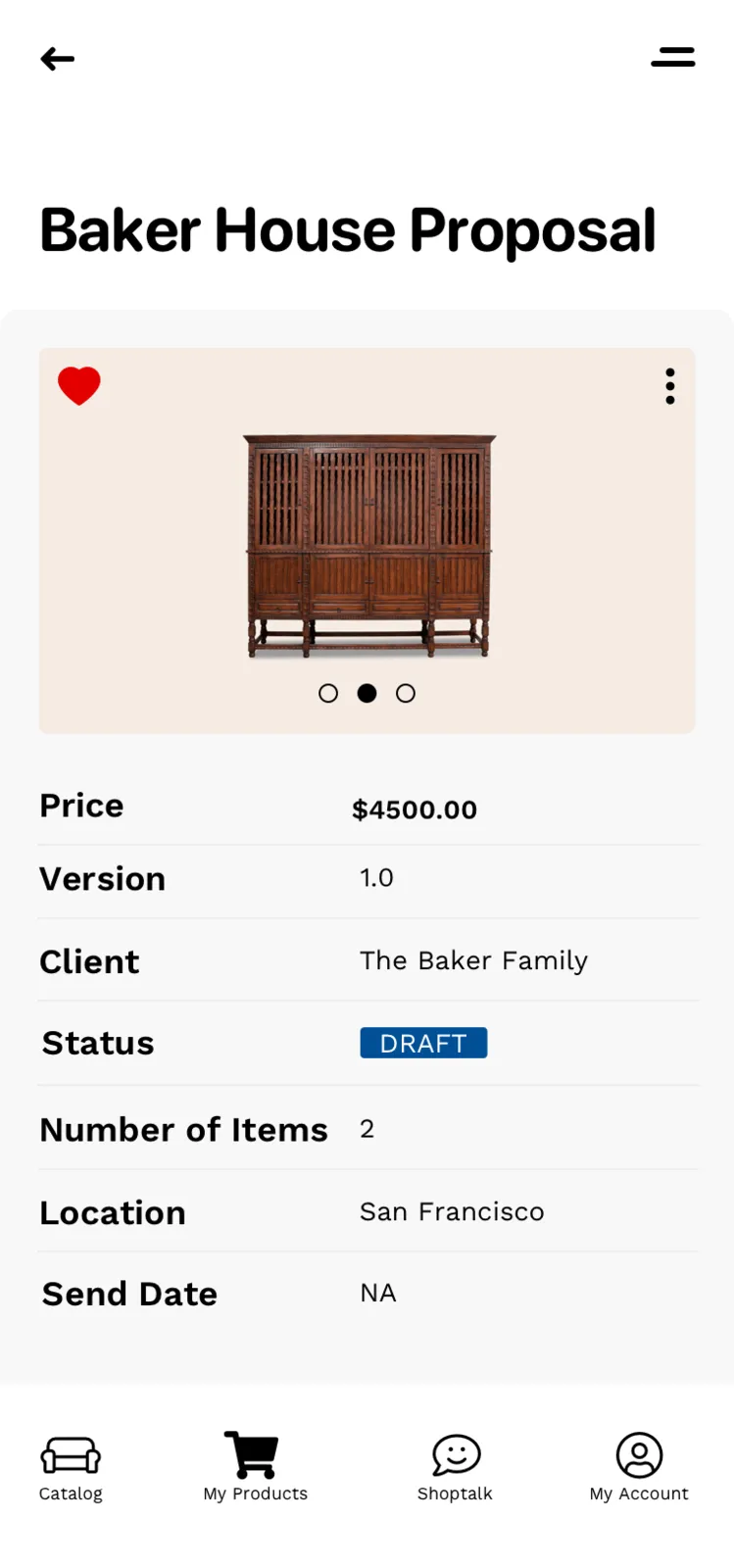
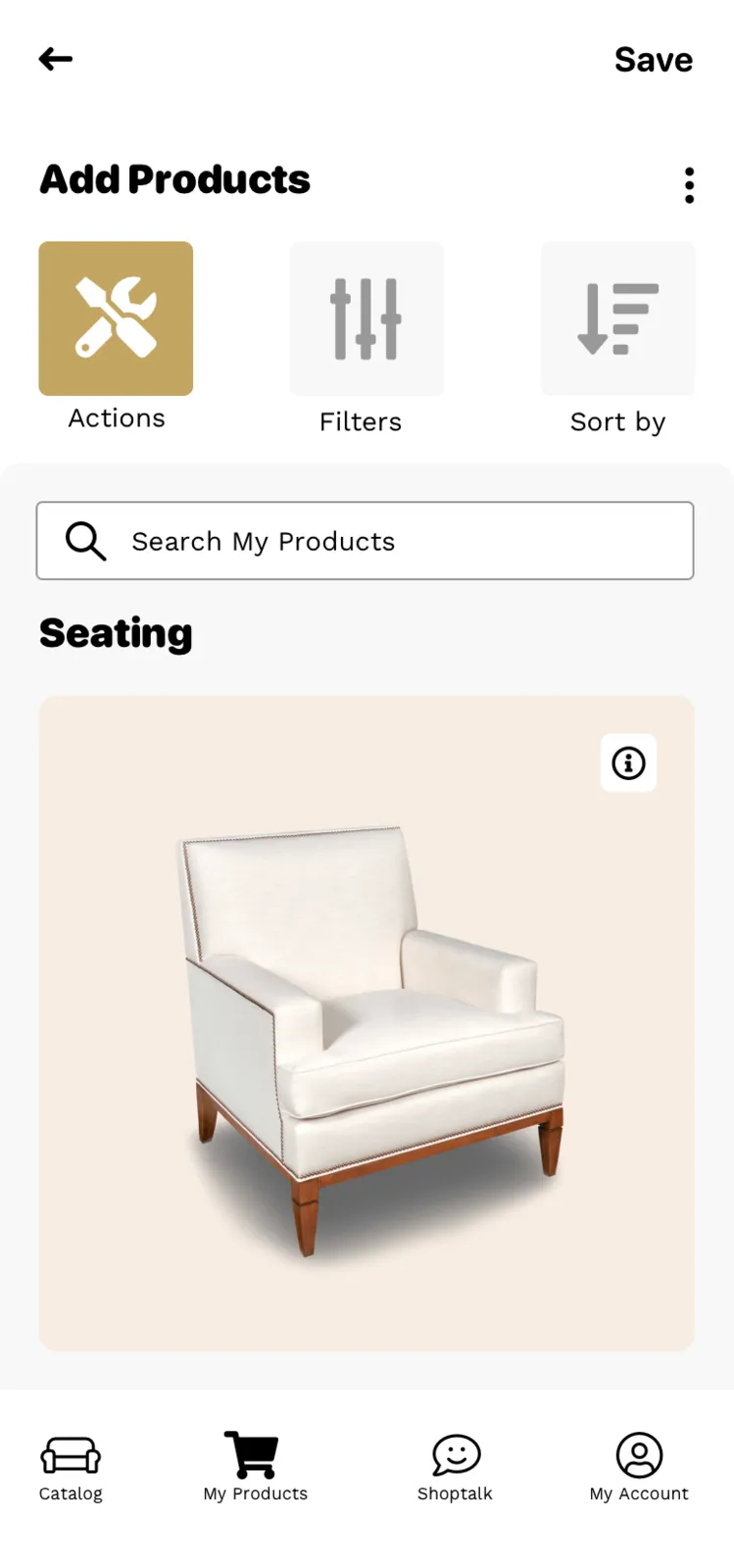
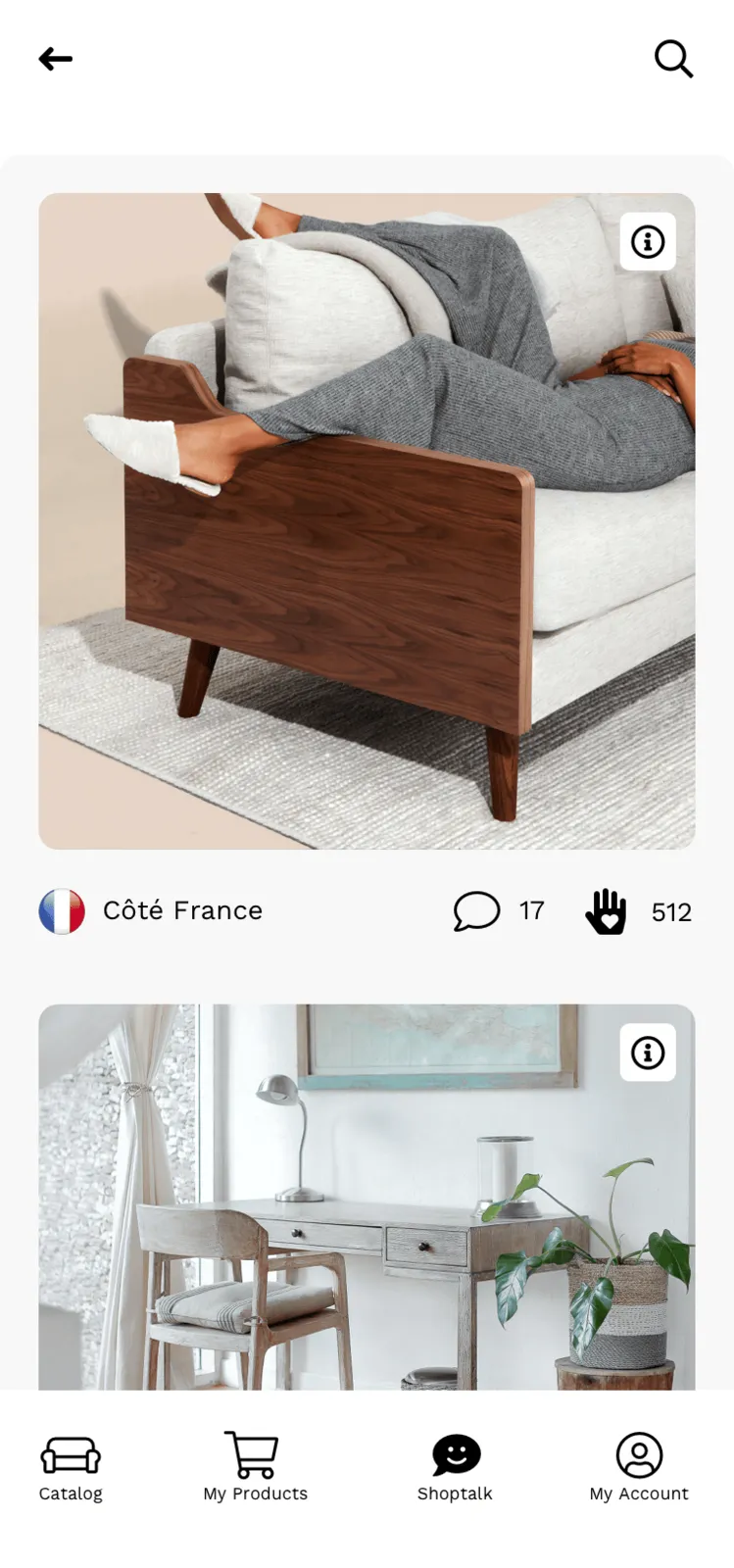
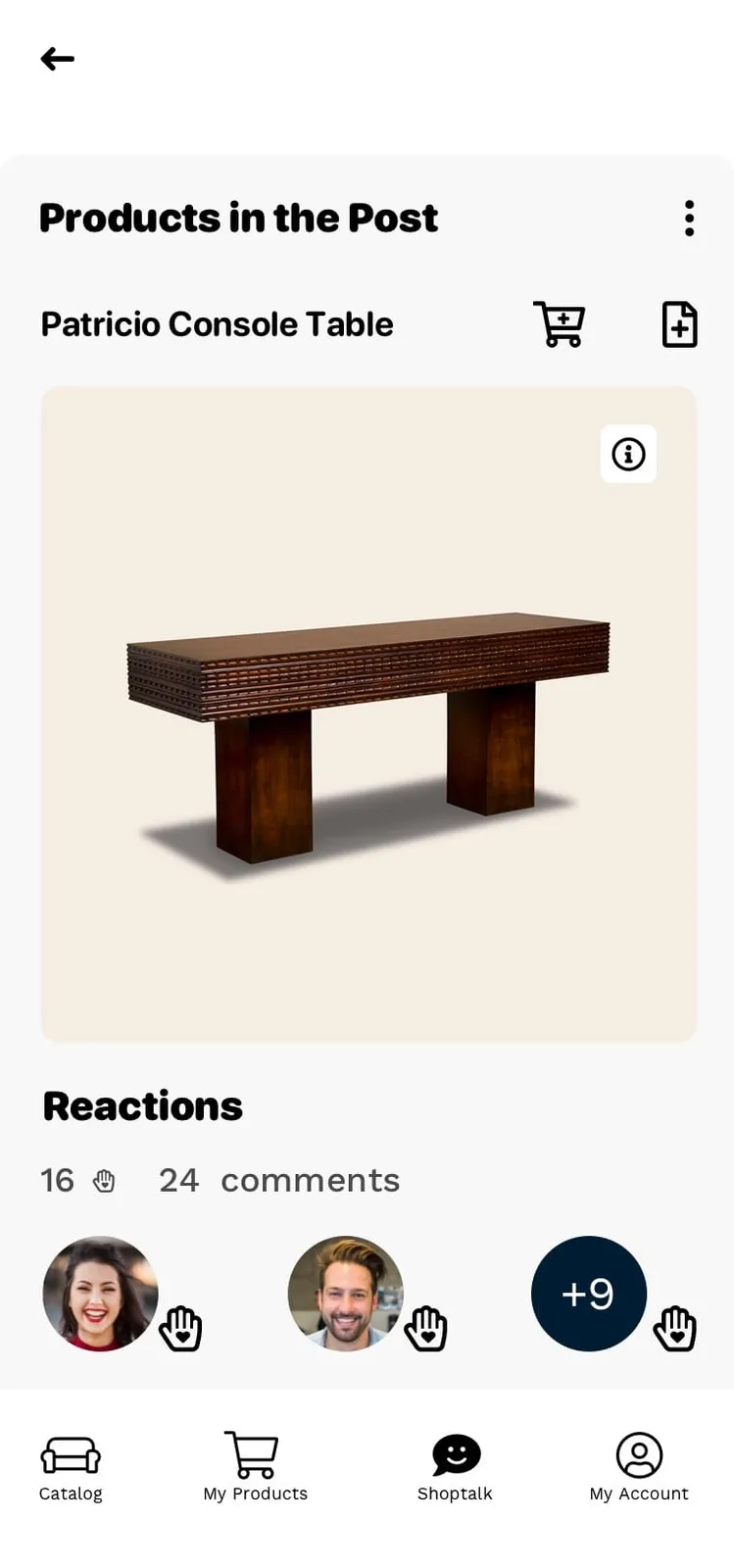
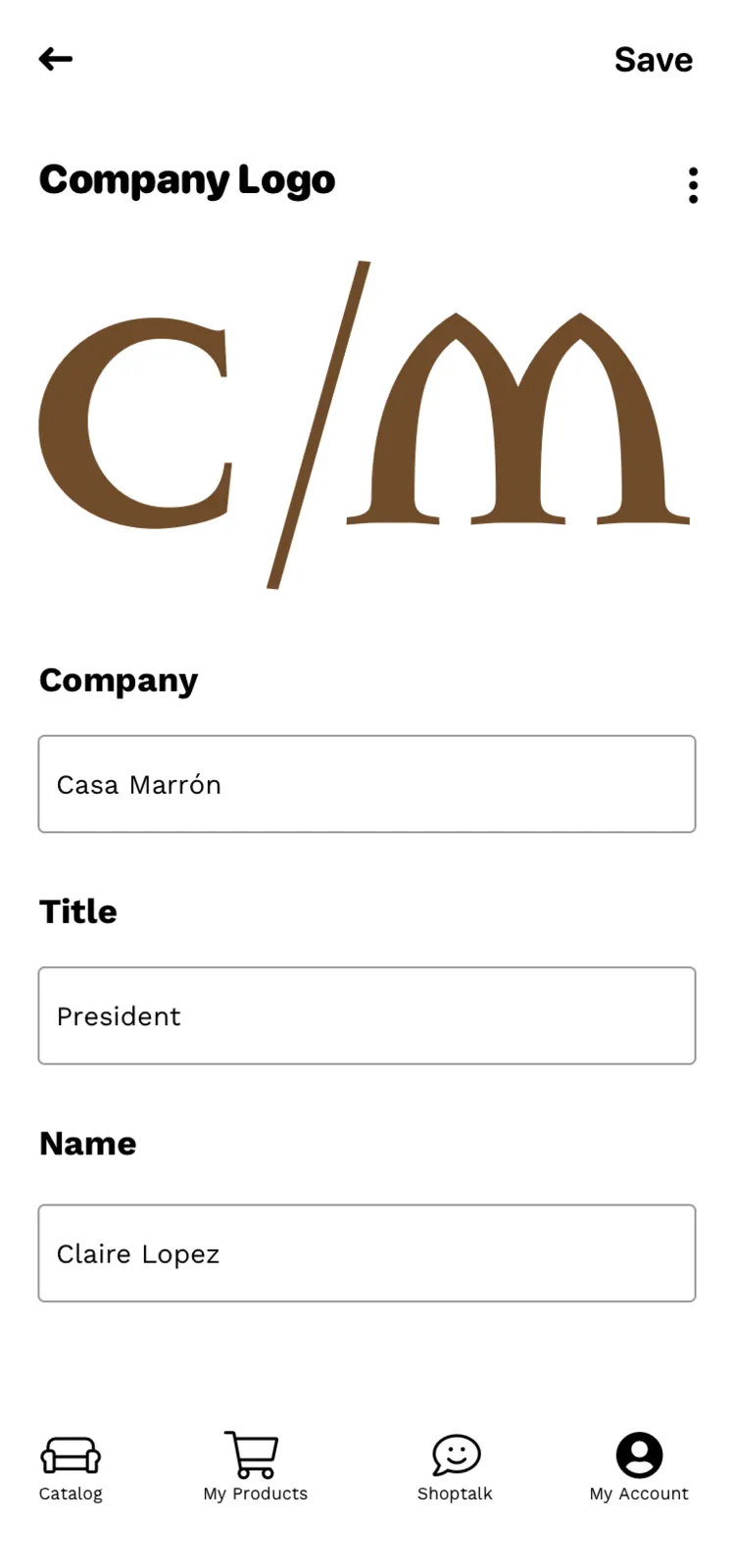



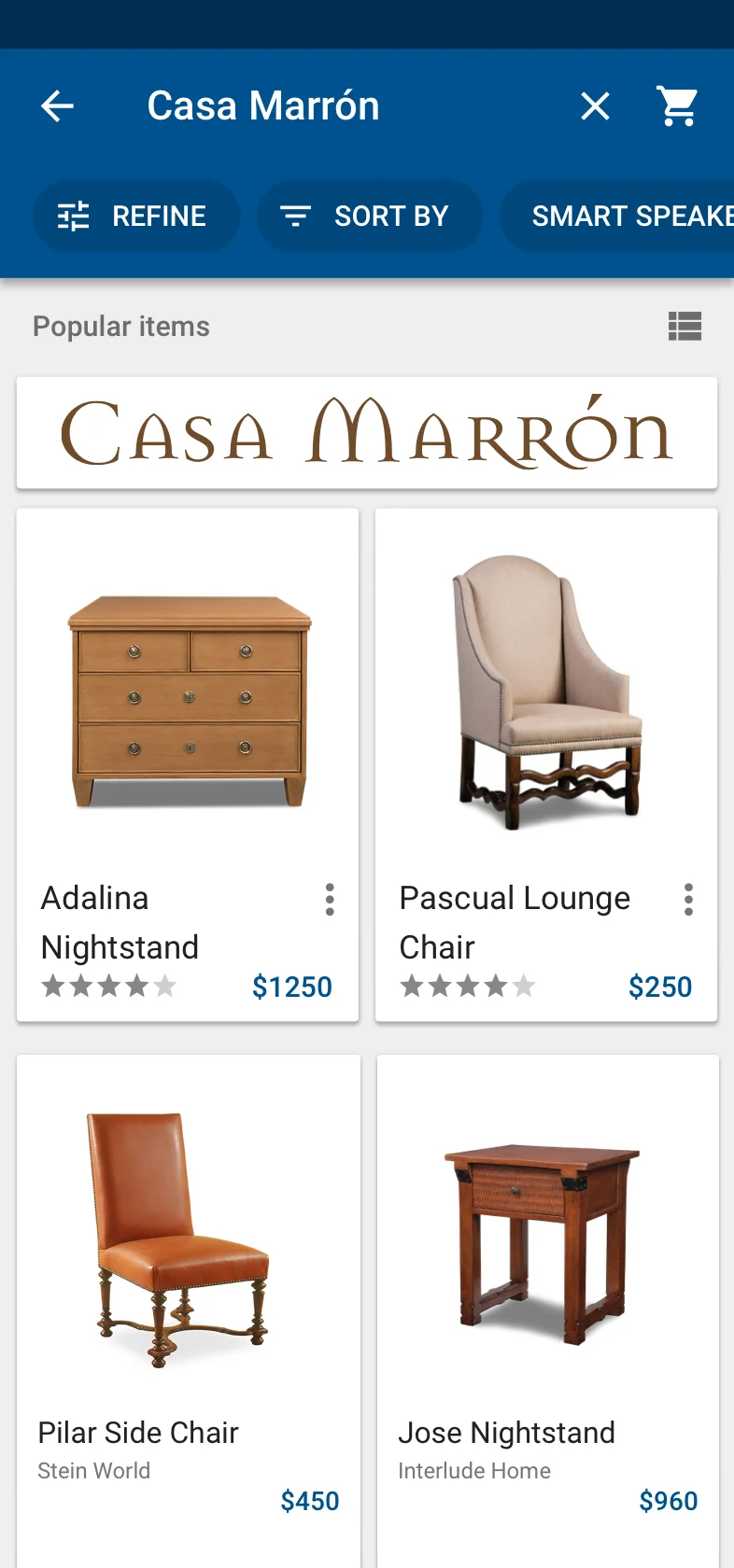
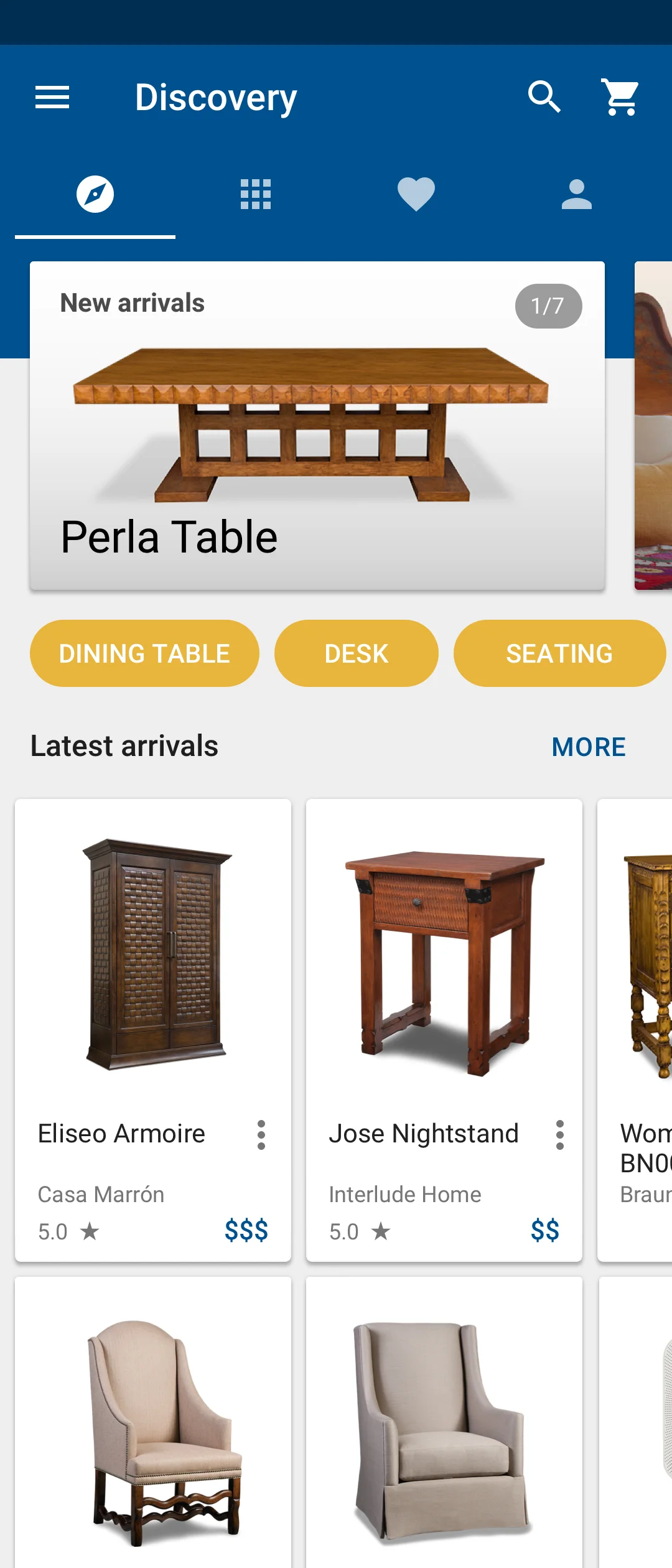
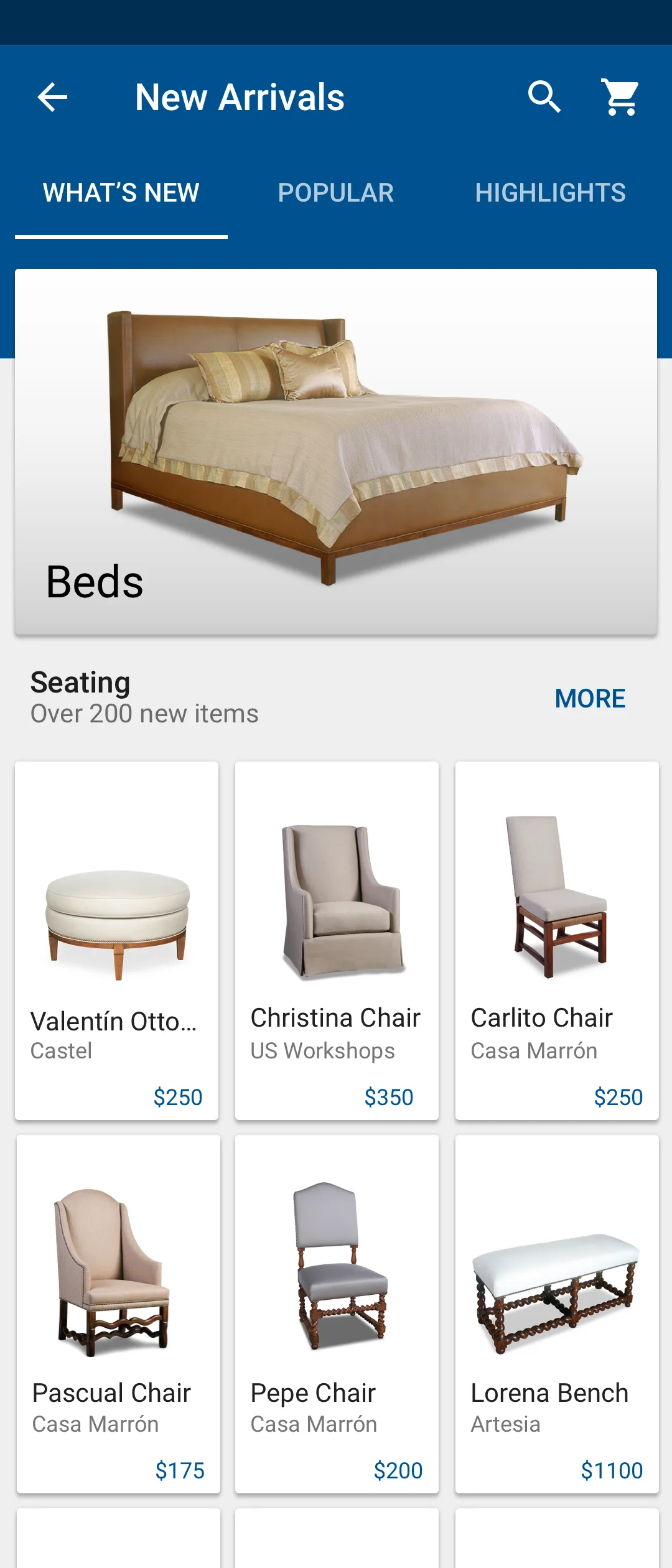
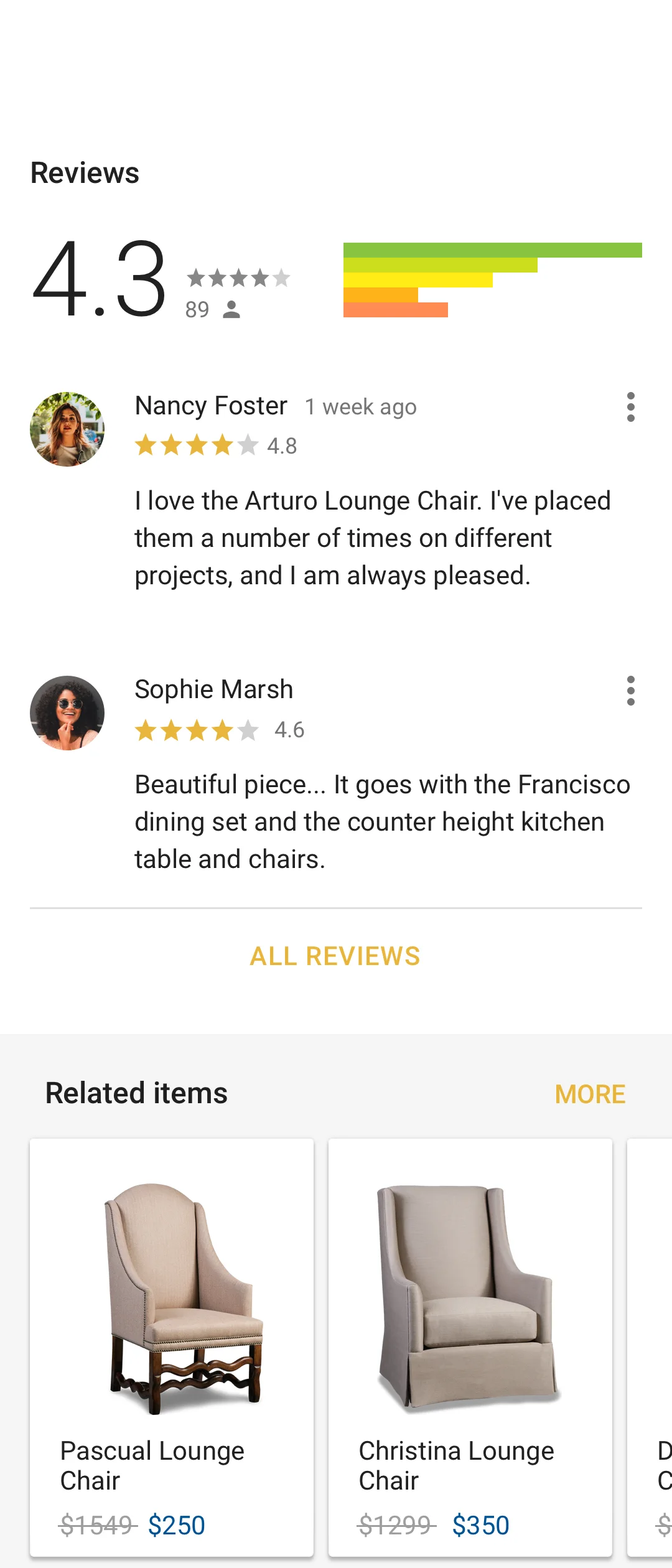
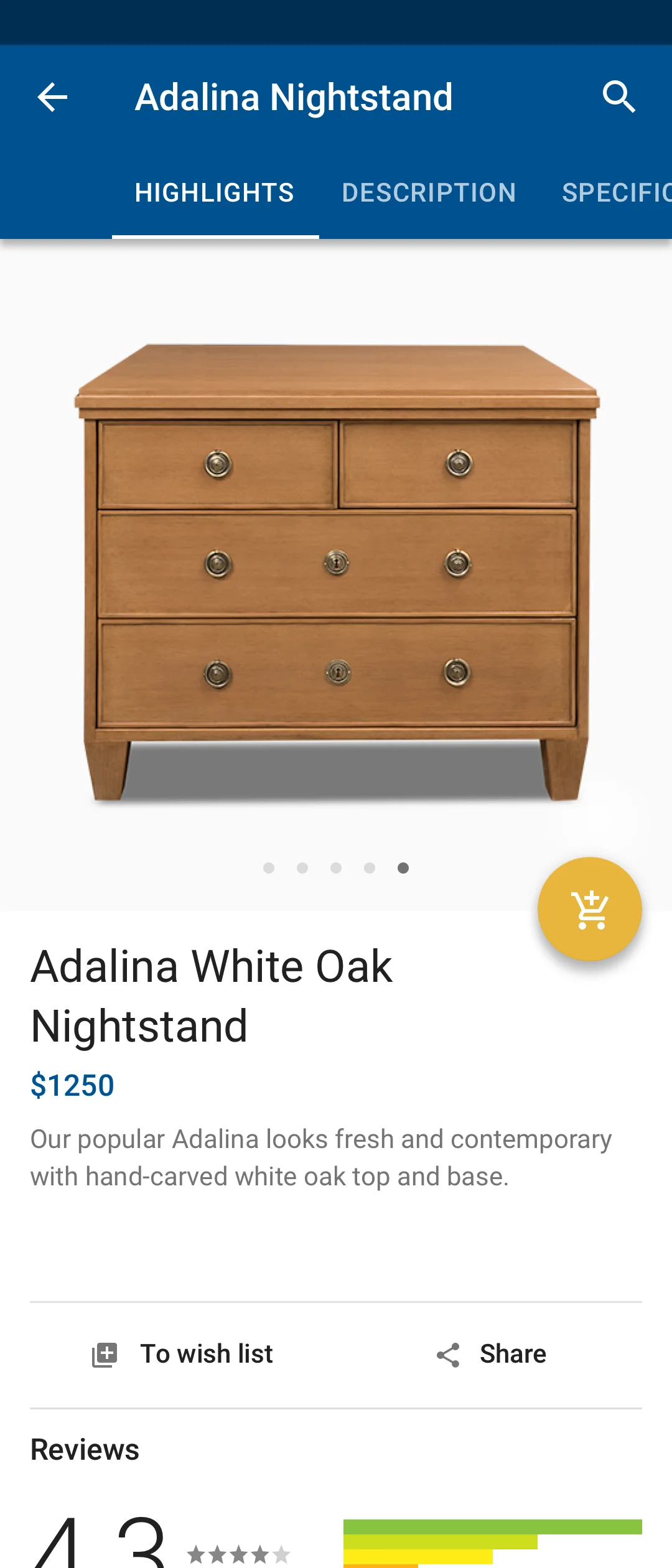
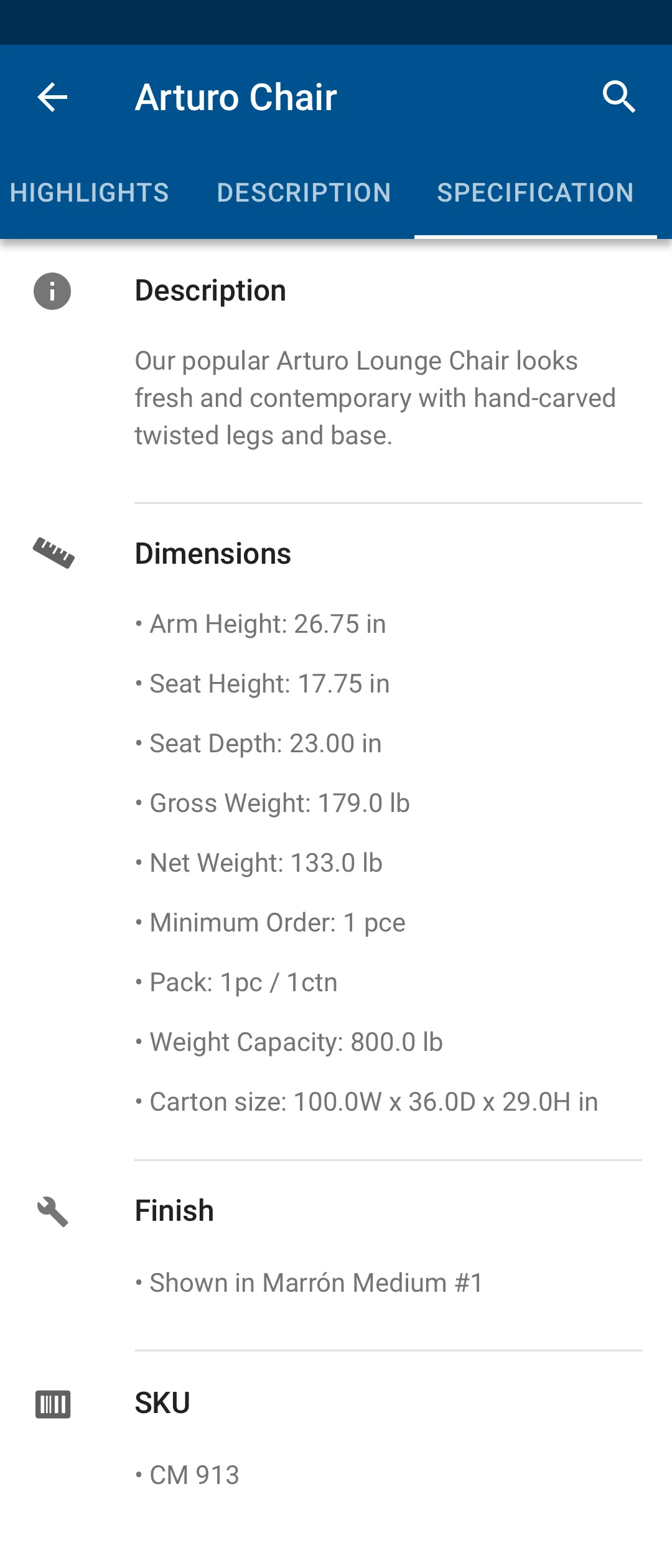
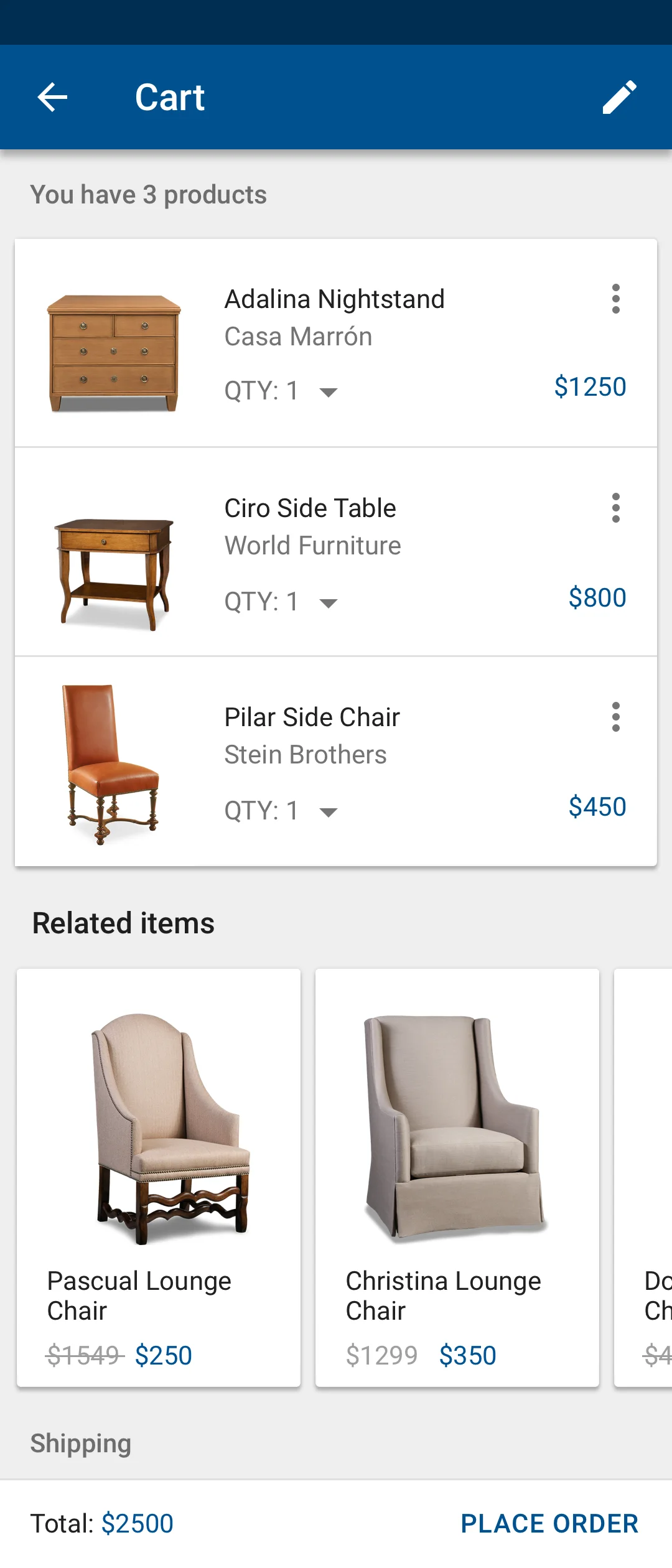
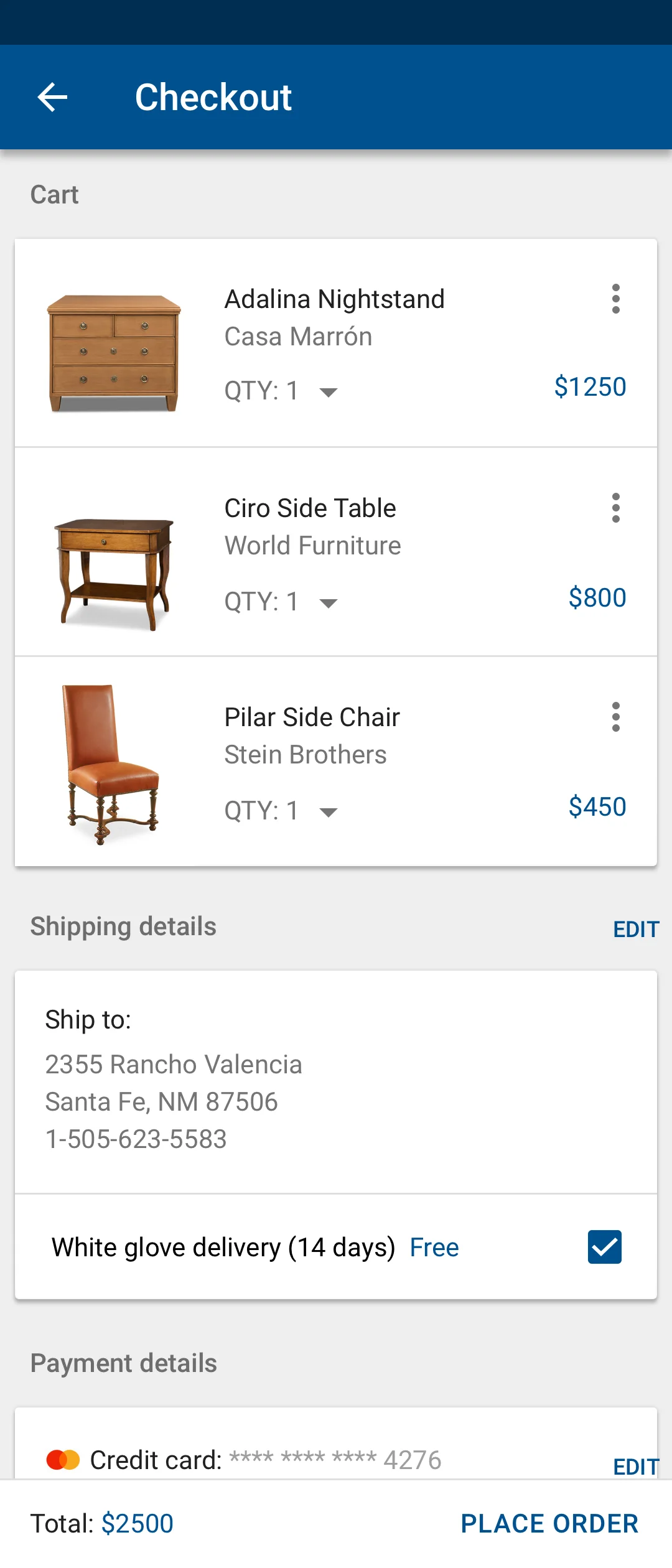
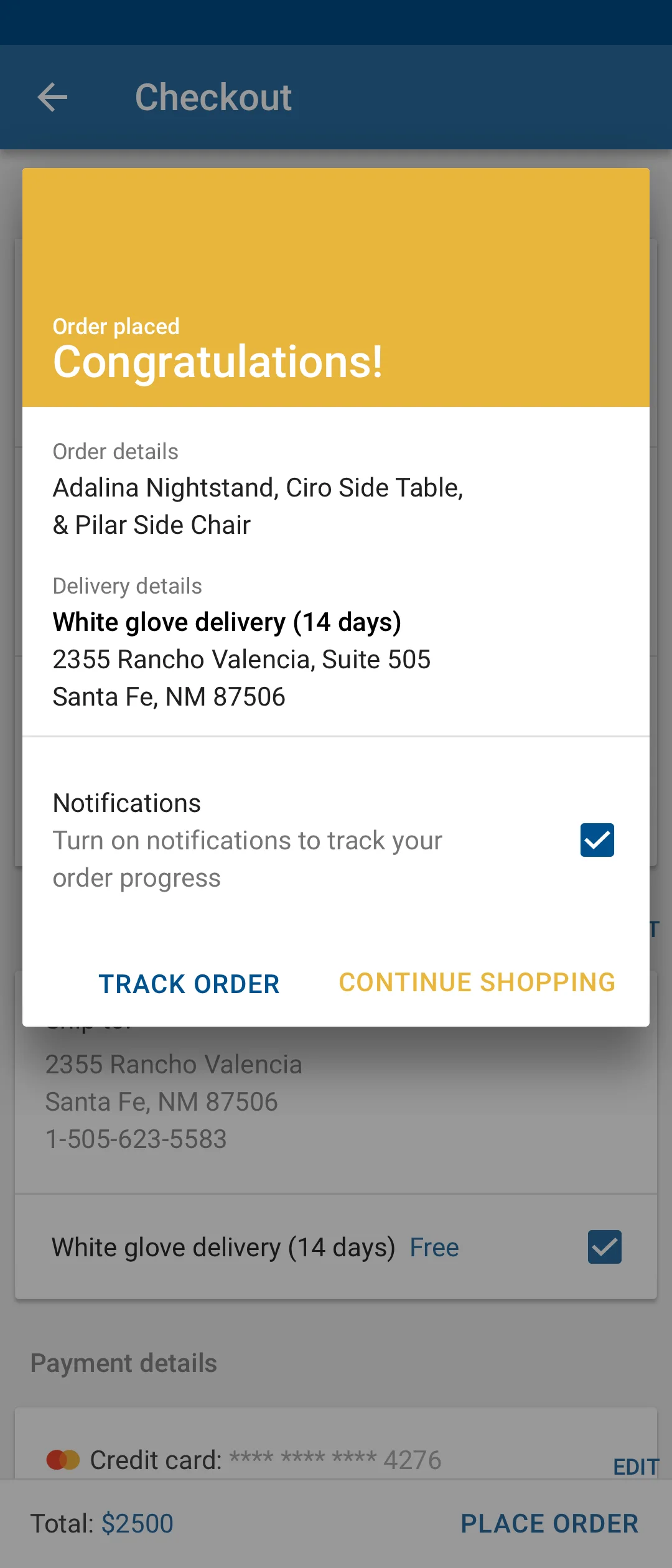
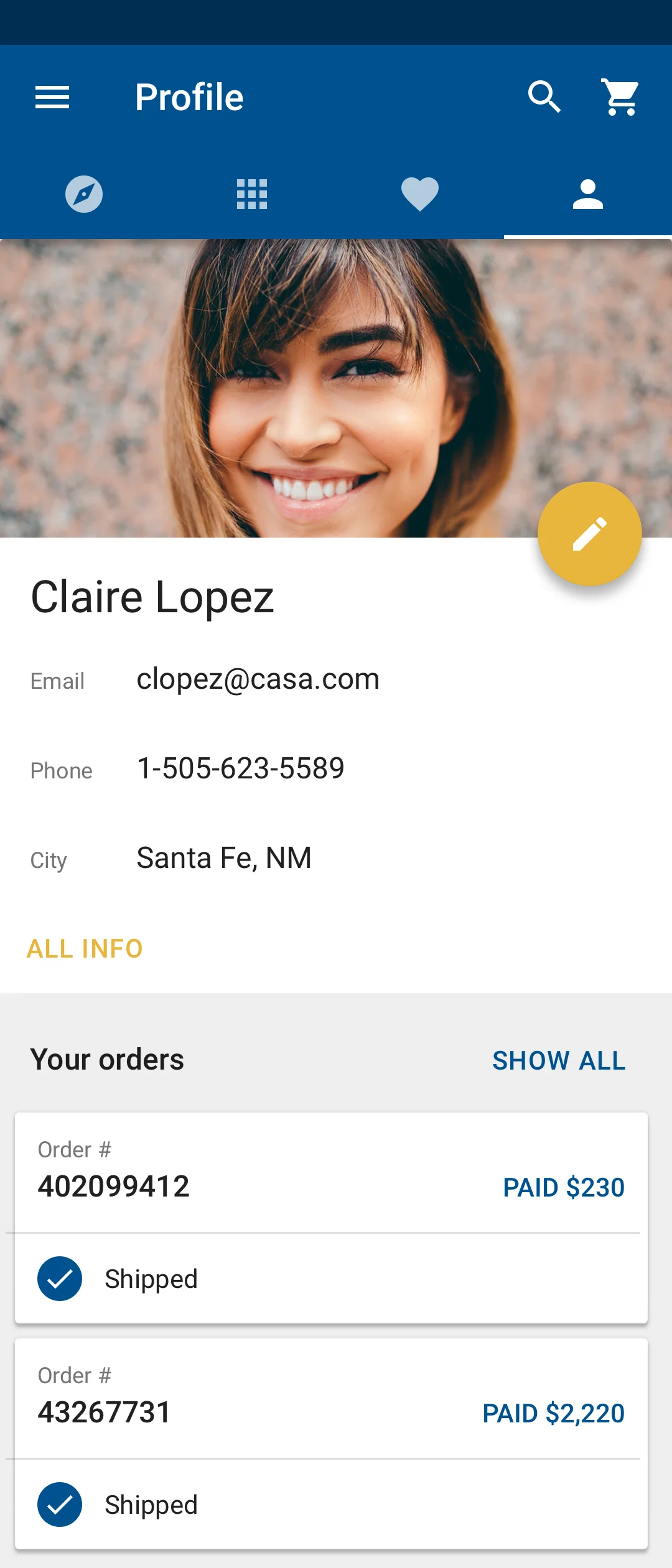
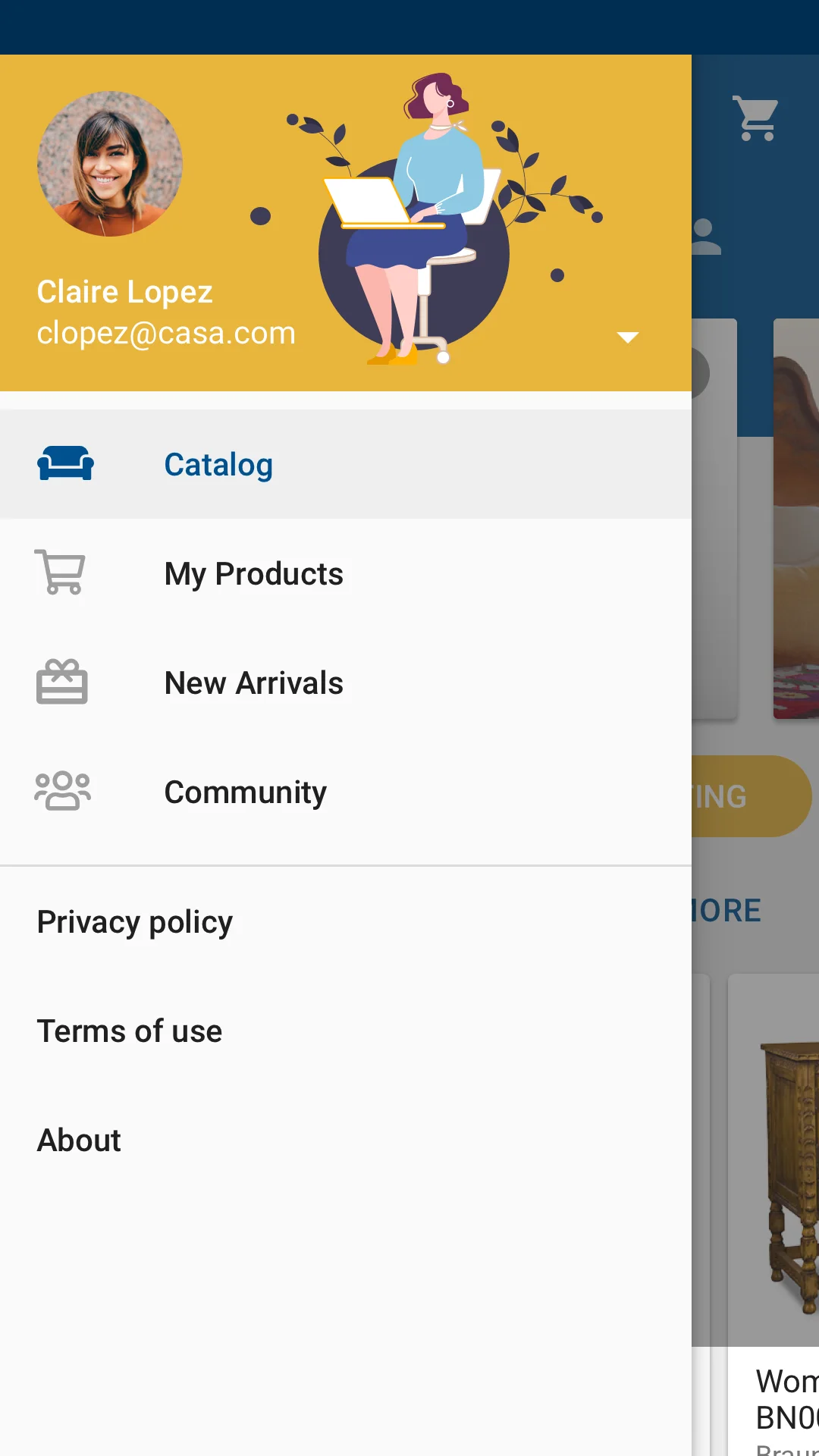
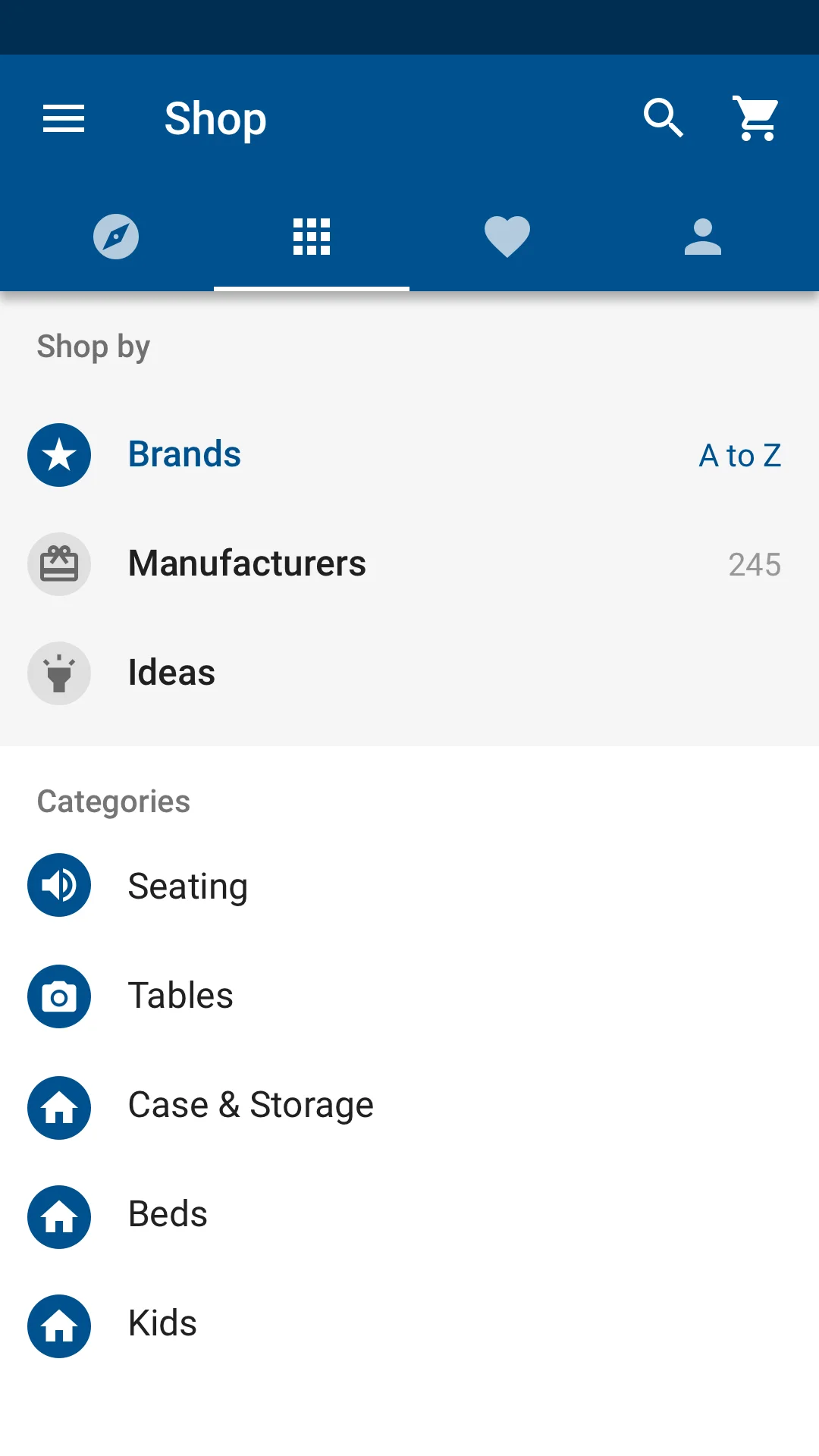
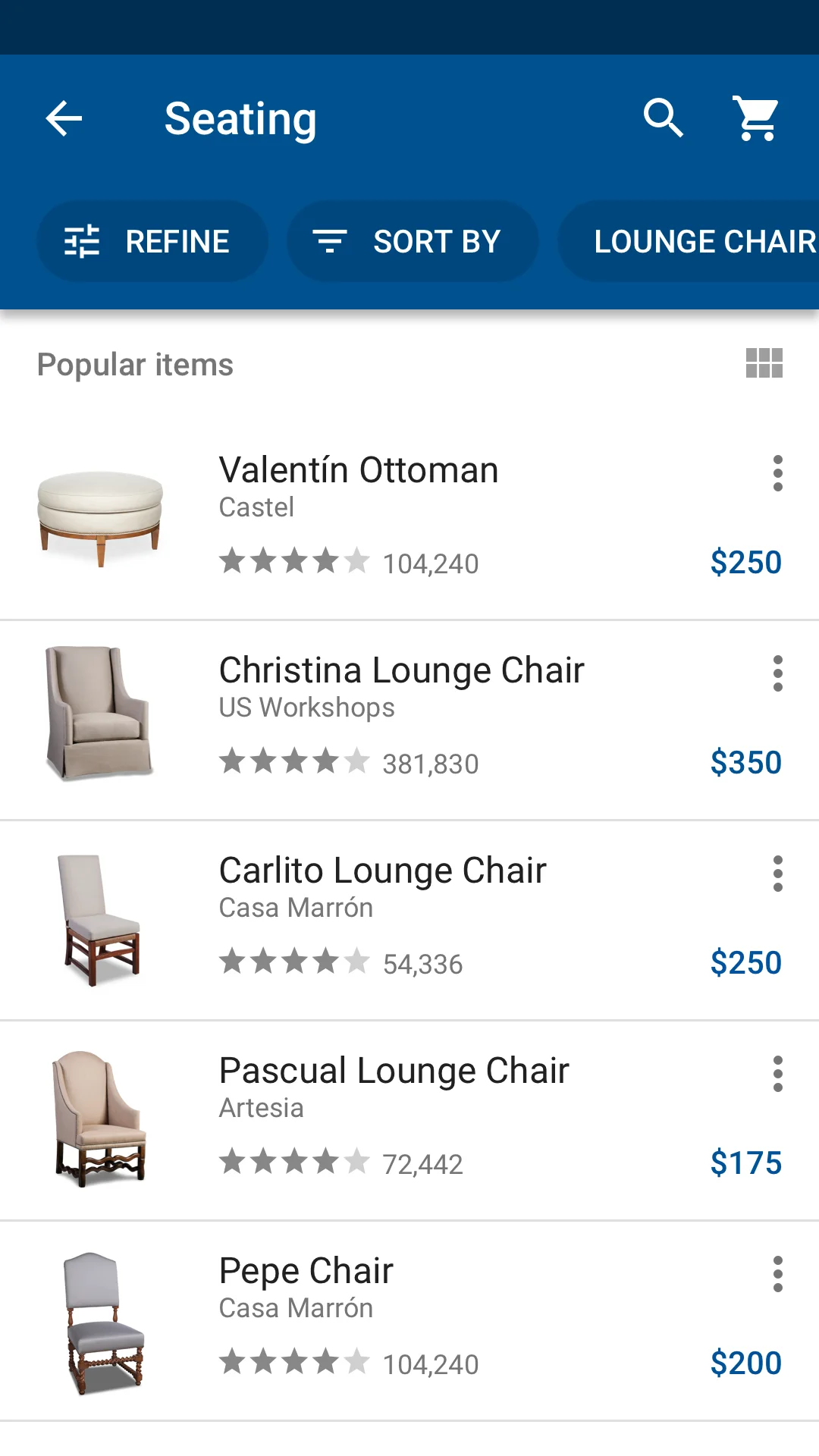
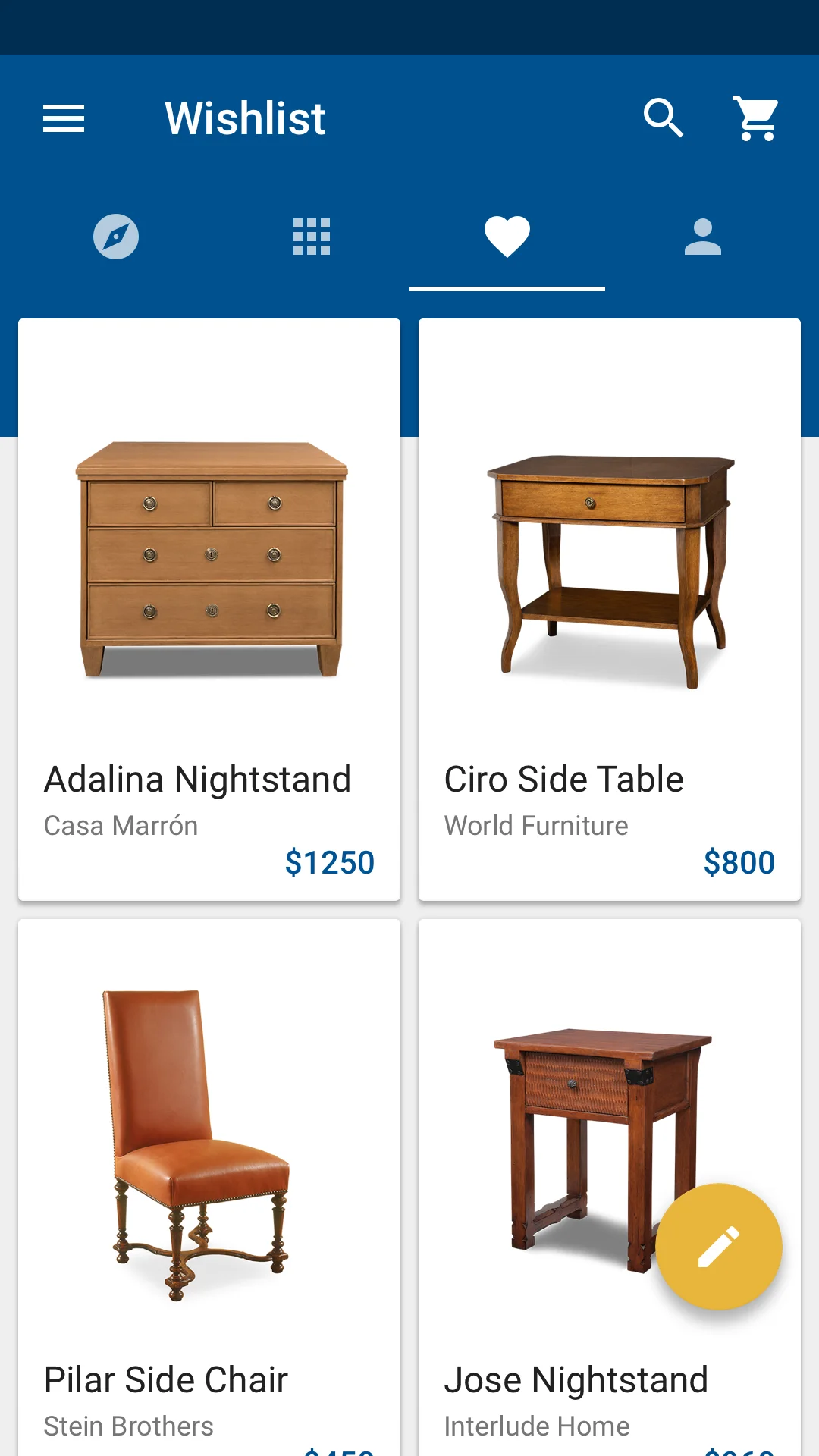
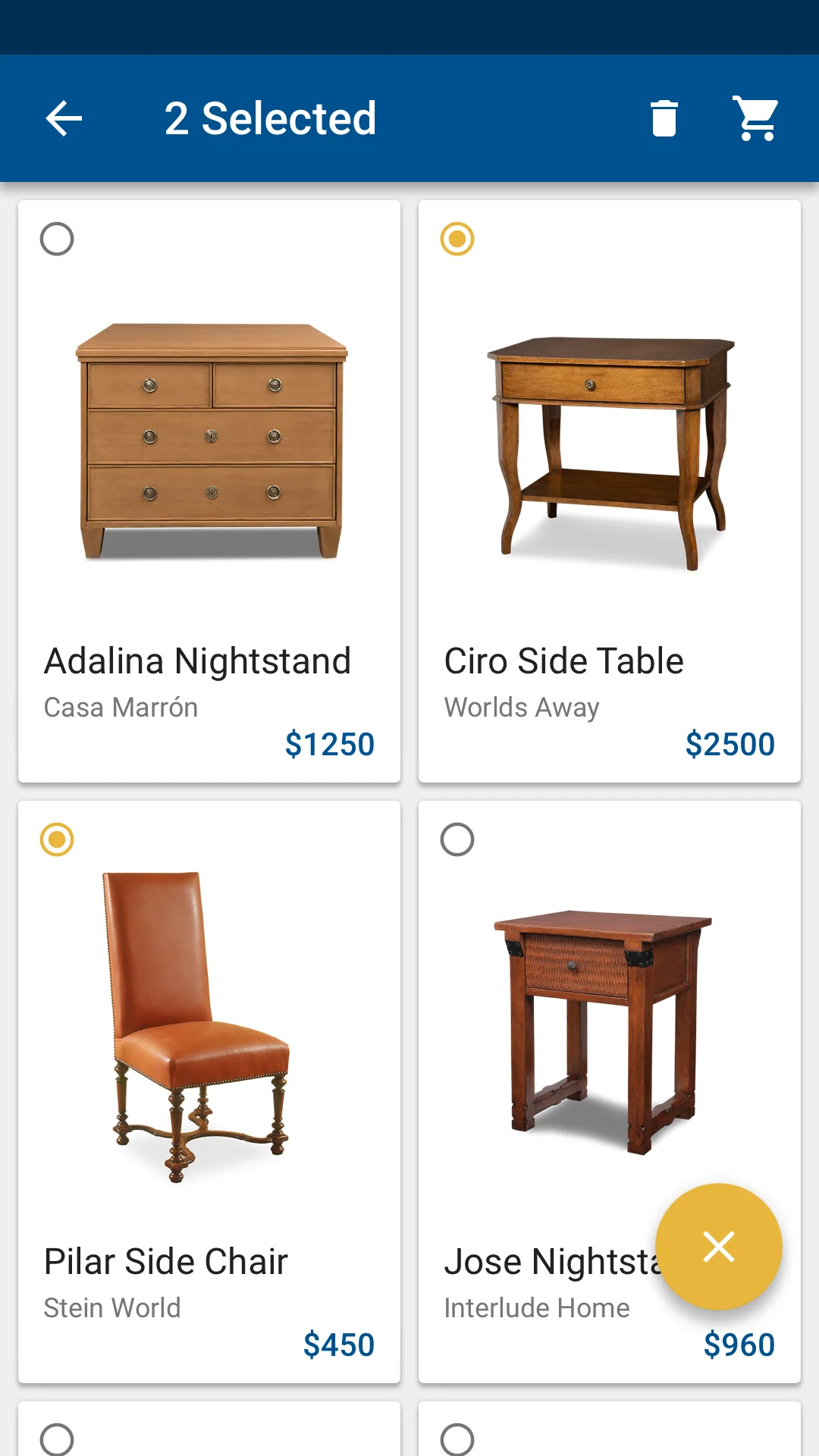
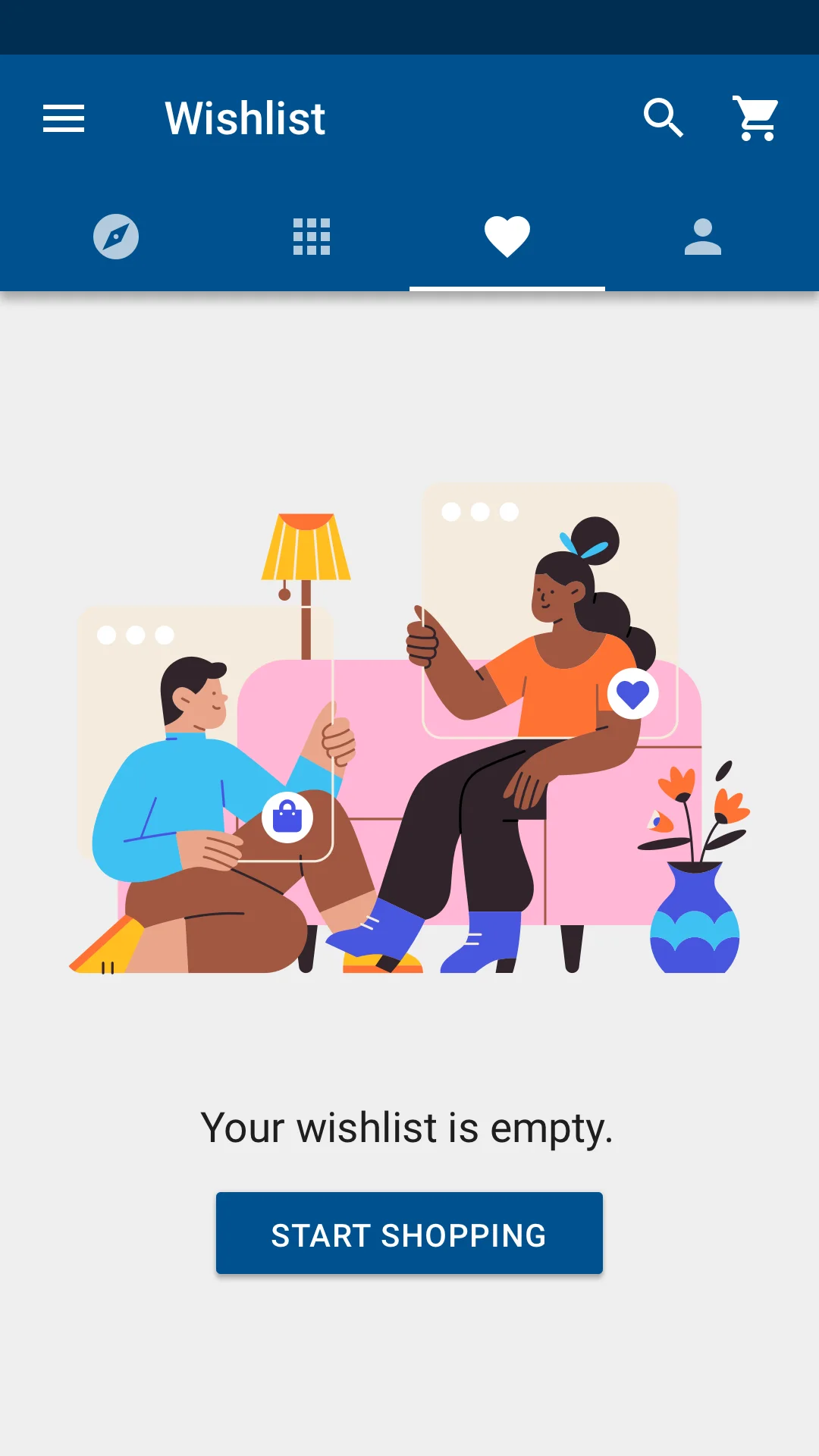
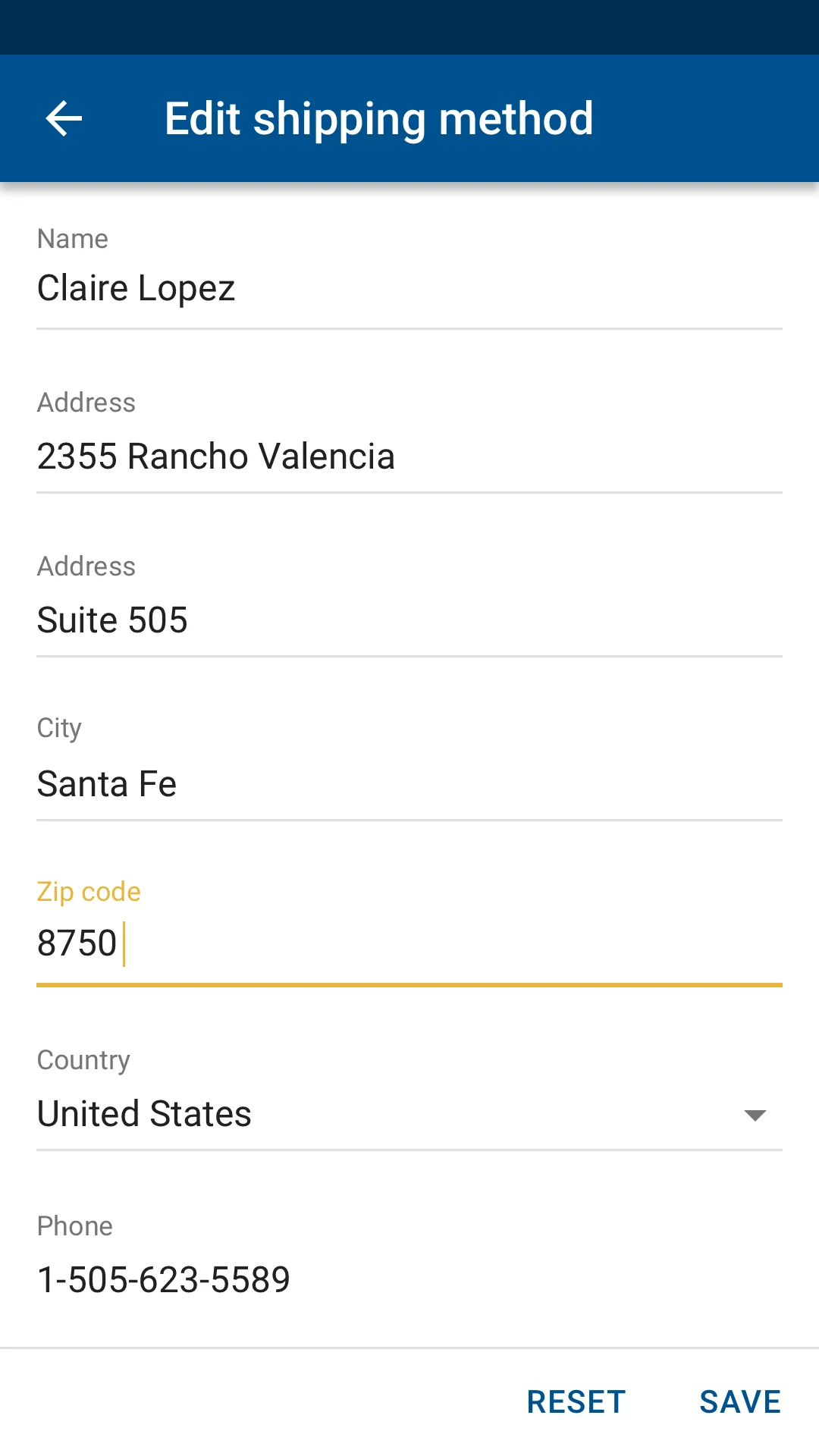
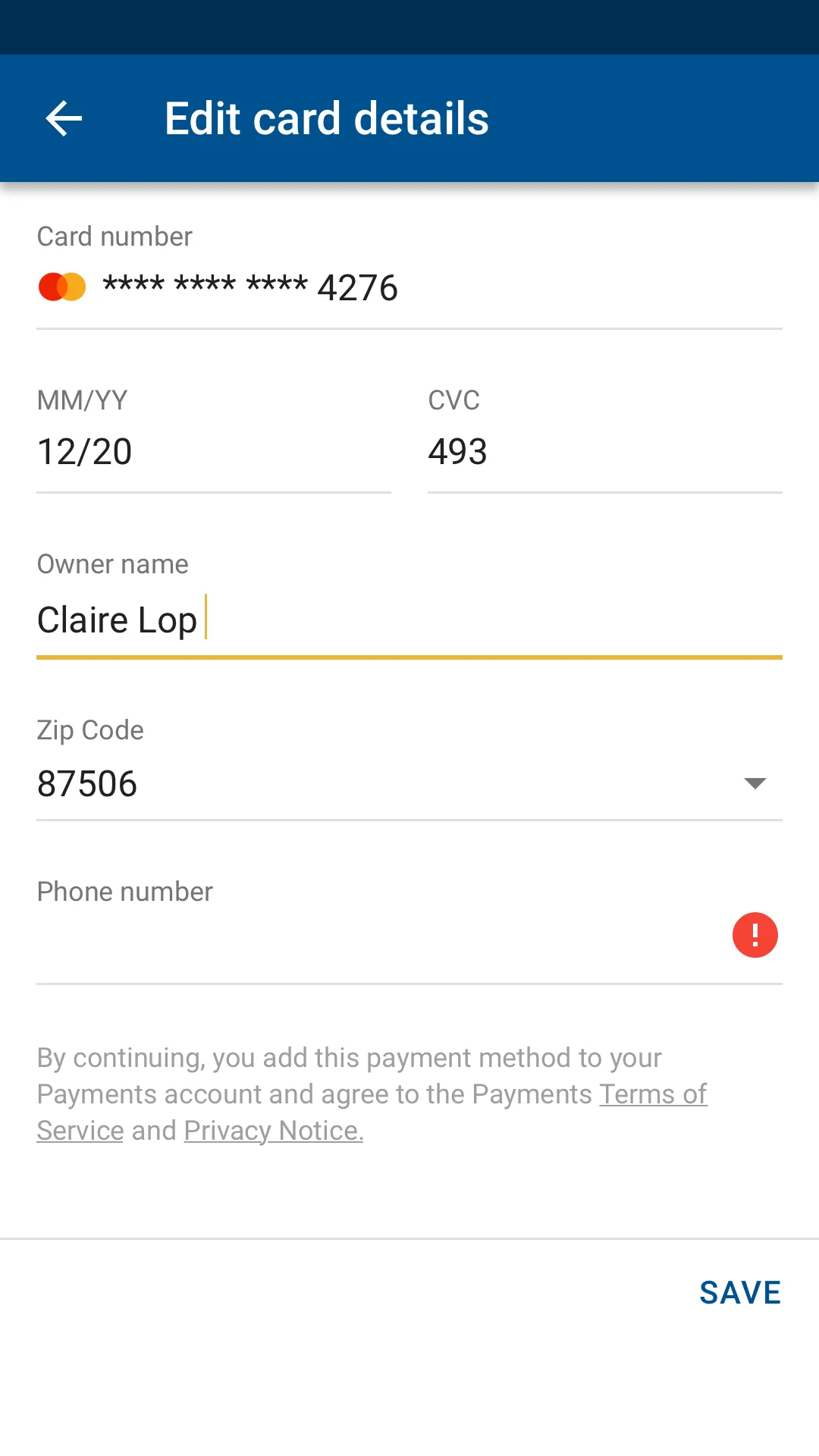
Design system
Behind all four surfaces sits one design system: color, type, and a full component library, so a button or a form field looks and behaves the same whether it showed up first on desktop or on a phone. Early wireframes worked through table and list patterns before any color entered the picture.
Where it stands
I measured the work the same way I audited the incumbent tools before it: one-on-one, guerrilla-style usability sessions with a think-aloud protocol, scored by median on a five-point scale. Median usability moved from two to four across the sessions I ran. TradeSource was a paid client engagement, renewed once beyond its original scope; the sprints that followed, extending the same design system further, were self-initiated, run on my own time after the contract closed.
Final comps
Twenty-two finished screens across iOS and Android, one at a time.
iOS comp 01
The strongest reaction
ShopTalk and the proposal flow
These were the two things designers reacted to most strongly in the sessions I ran.
Catalog updates
Reaching every following designer
A catalog update reaches every following designer the moment a line changes, instead of going stale in a sourcebook.
Product reviews
New to B2B furniture
Designers said they would finally trust a review, something the category had never offered them before.
What I learned
Running research and a heuristic audit before touching a screen told me exactly where a redesign's priorities should sit: not with visual polish, but with navigation and completeness, the two areas the incumbent tools failed hardest. The harder lesson was about scope.
The temptation
ShopTalk wanted to keep growing
Once it proved out in research, it was tempting to keep adding to the social layer.
The guardrail
Serve one of three constituencies
Whatever I added had to serve a designer, a manufacturer, or a client, without compromising the wall between designer and client.
The rule
Every surface points back to it
A concept this wide only holds together if every surface can point back to that one rule.